
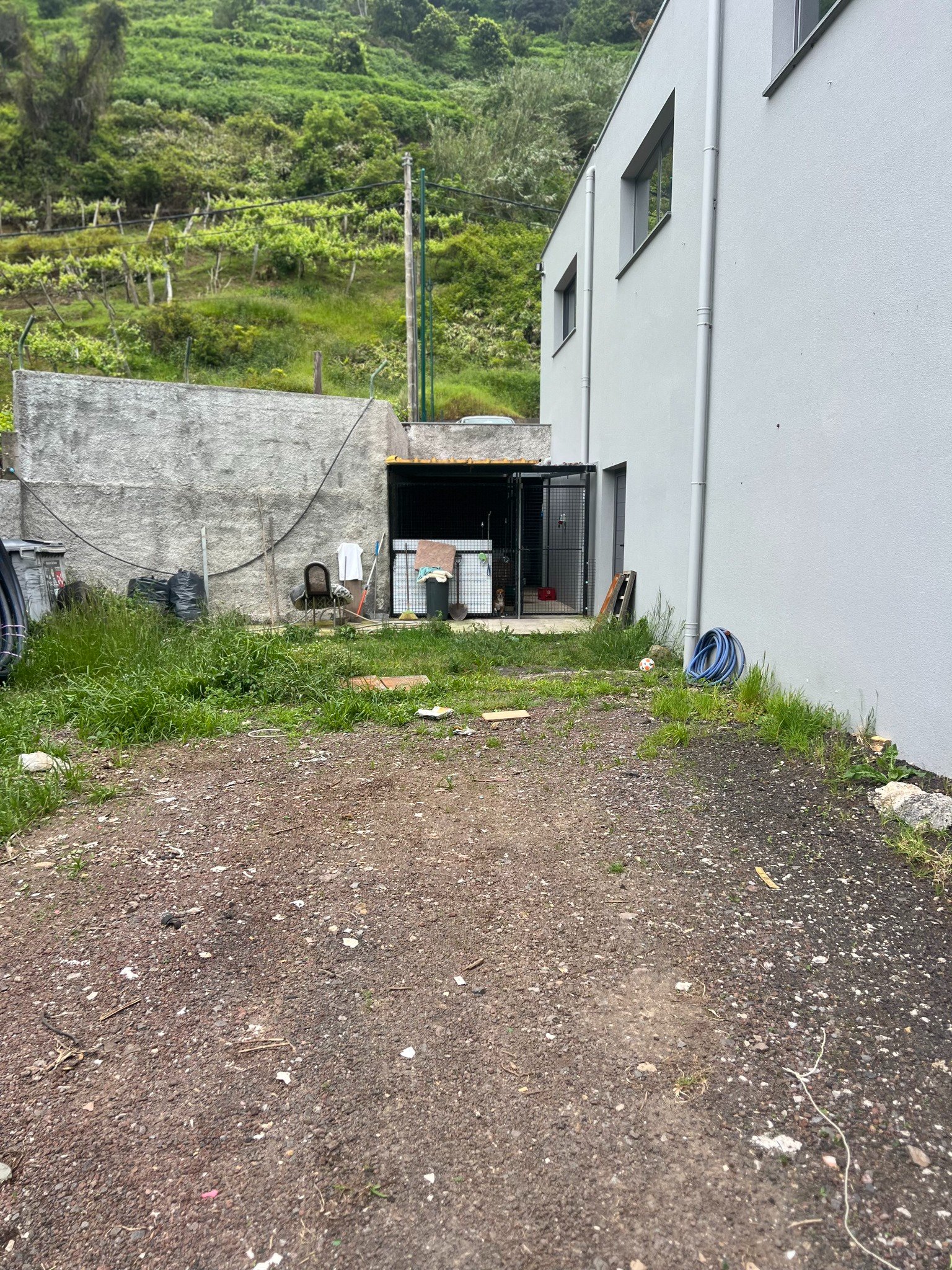
From the outside, you could almost miss it.
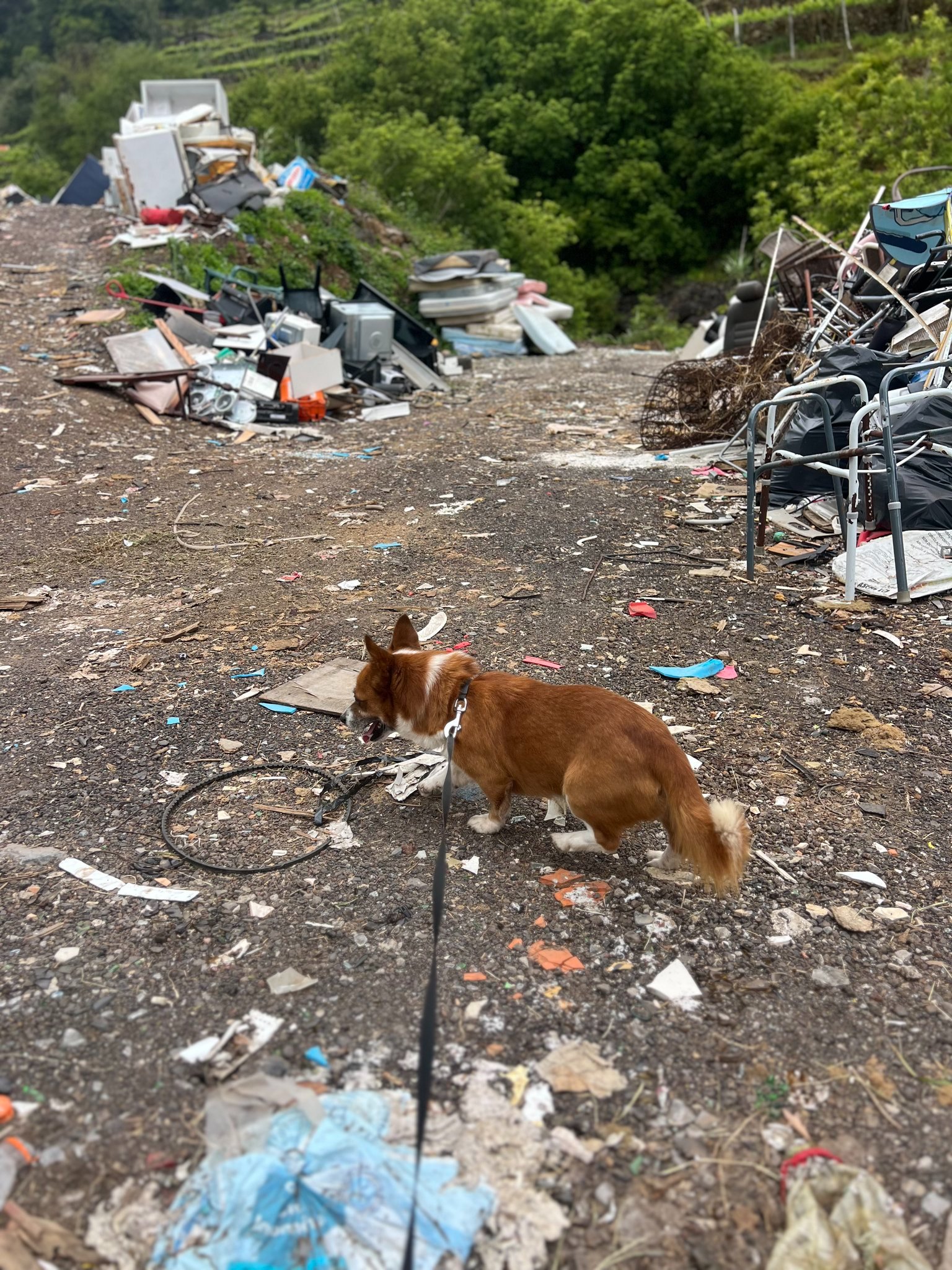
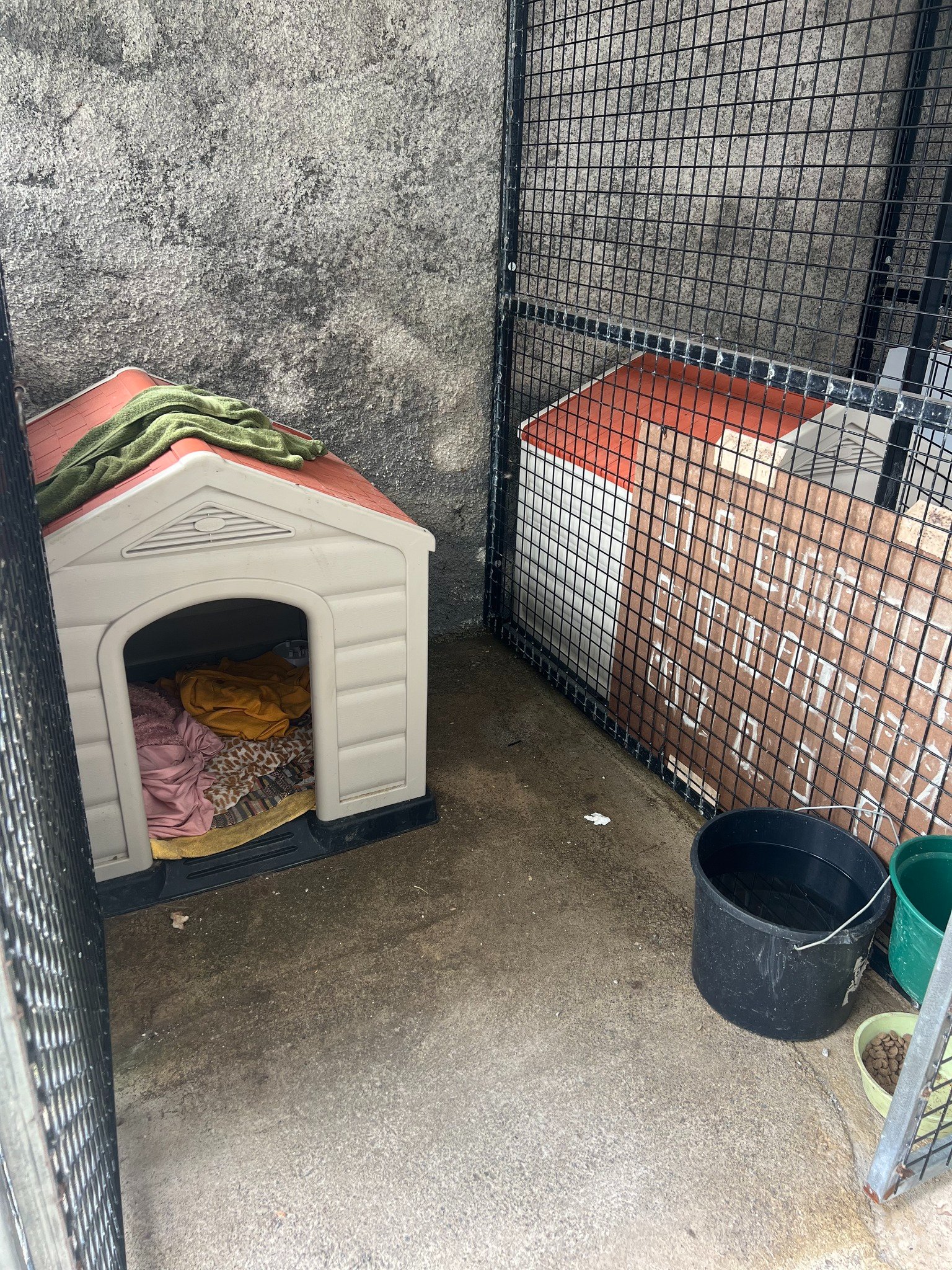
Tucked away in São Vicente is a small "shelter" that many people would never even realise exists unless they walk around the building. The surroundings is certainly more like a dump yard and while conditions have improved over time, the reality is that this space was never truly designed for animals to live in long term.
But behind those walls are dogs waiting every day for care, attention, exercise, and hopefully one day, a home.
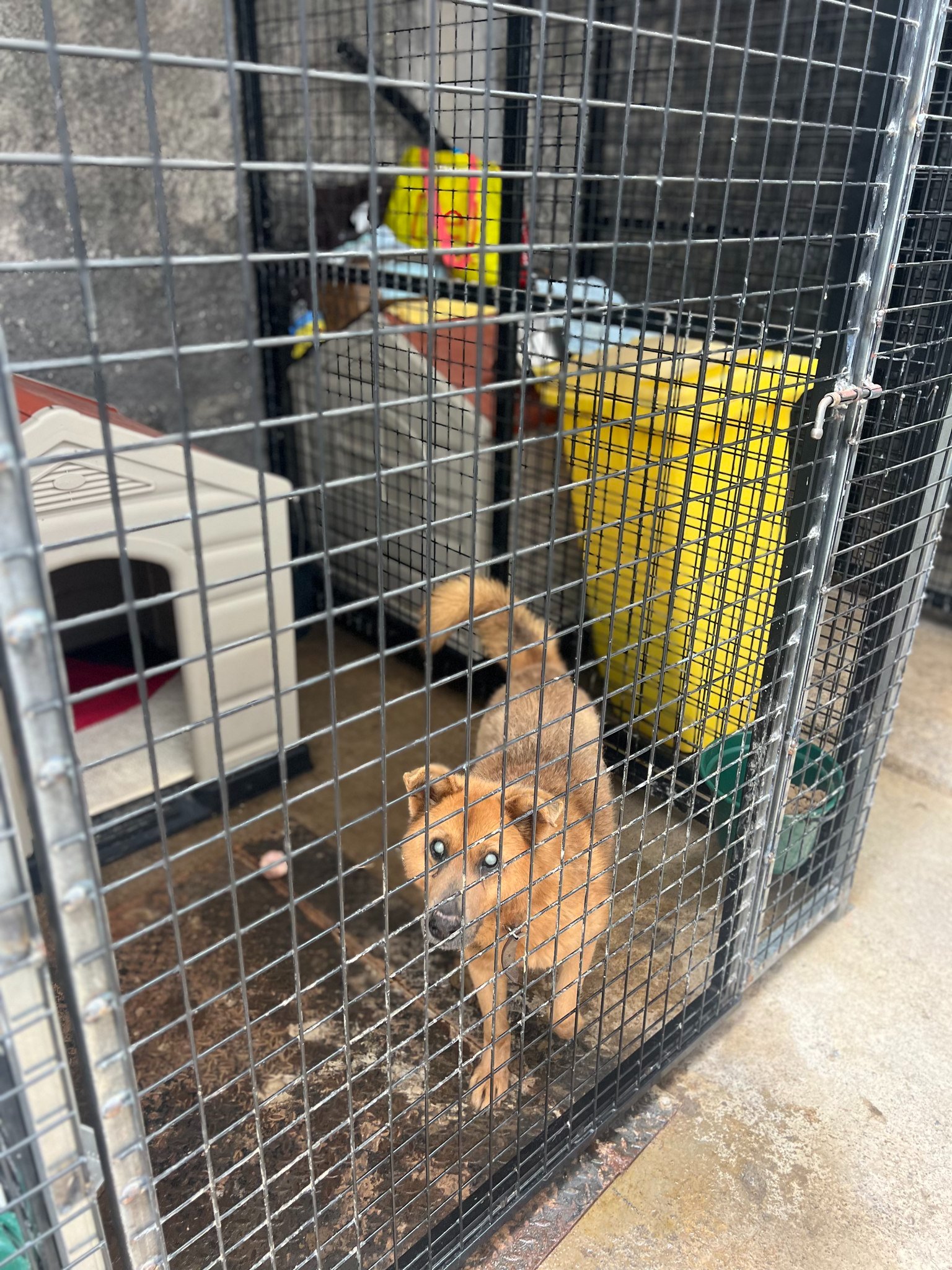
There are signs of improvement compared to the past. The dogs now have roofs over their heads, small houses inside their kennels, and they no longer stand on muddy pallets during the rain. These changes matter. They improve comfort, protection, and dignity for the animals living there.
At the same time, the situation remains difficult.
The shelter belongs to the municipality, which is fully aware of the conditions, and local animal welfare groups such as Friends of 4 Patinhas have reportedly been trying to help for years. Yet despite these efforts, progress feels painfully slow, leaving volunteers and supporters frustrated by the lack of urgency and long-term solutions.
And this is where the human side of the story becomes important.
Behind many animal welfare situations are ordinary people quietly dedicating their time to make life better for animals who otherwise receive very little attention. Volunteers continue showing up daily to walk the dogs, clean spaces, provide affection, transport animals when needed, wash blankets, bring donations, and try to help the dogs get adopted.
One volunteer in particular, Frances, has spent the past year consistently caring for these dogs. From taking them on walks to helping them get groomed and creating flyers to promote adoption, her efforts reflect something simple but powerful: compassion in action.
But no single person can carry this responsibility alone.
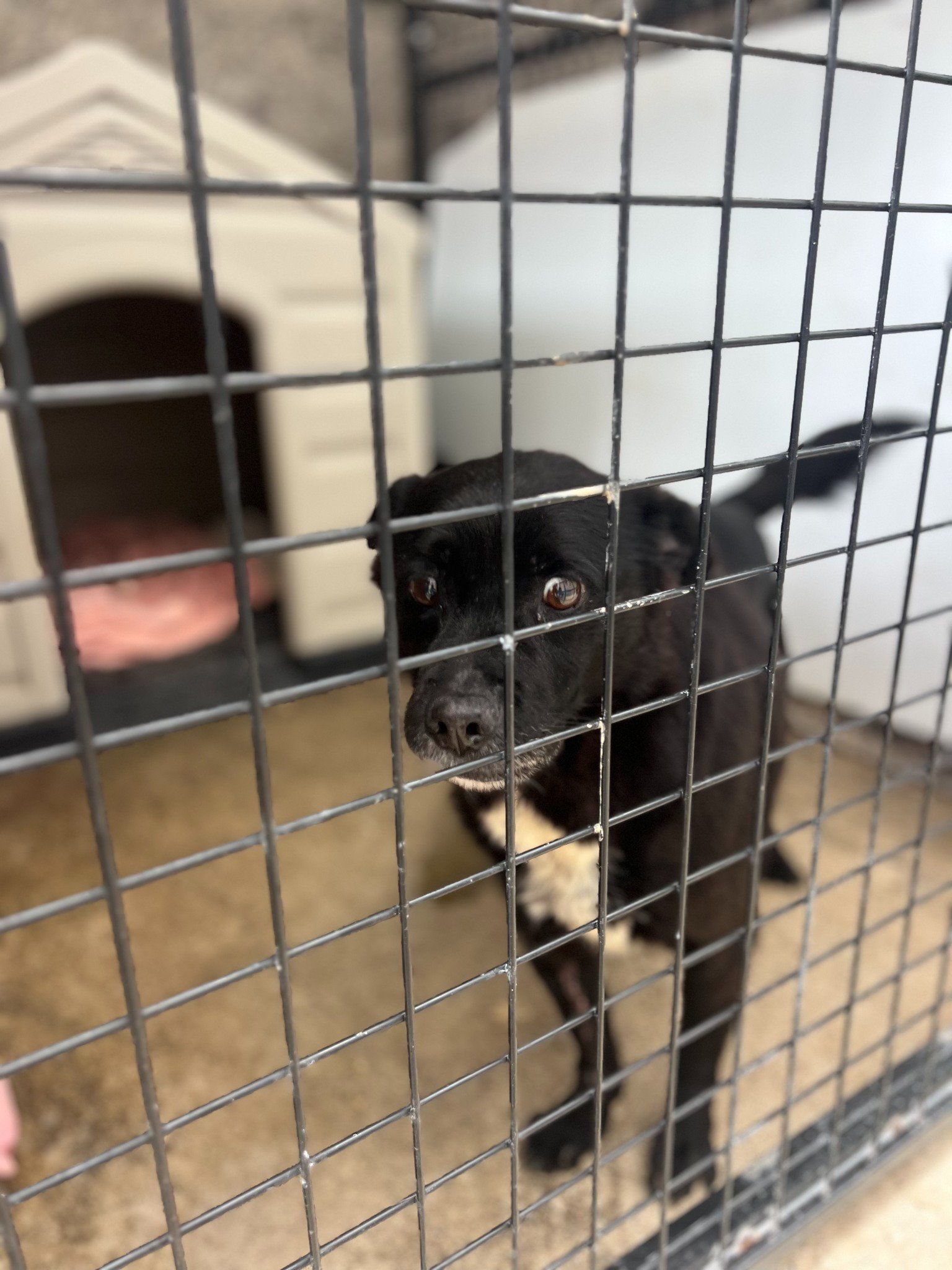
Animal welfare does not only mean providing food and shelter. Dogs also need stimulation, exercise, safety, medical attention, affection, and socialisation. Long periods of isolation can deeply affect their wellbeing and behaviour, especially for dogs coming from traumatic situations.
Some of the stories connected to this shelter are heartbreaking. One recently rescued dog had reportedly spent 11 years tied up, surviving mainly on scraps before finally being removed from that environment. Others remain timid, anxious, or desperate for interaction after spending so much time confined.
And yet, despite everything, there is still hope.
More people are slowly becoming aware of the shelter. Volunteers and community members have started helping where they can.
This story is not about blaming individuals alone. It is about recognising a wider issue: the gap that often exists between basic survival and genuine animal welfare. Having a roof overhead is important, but animals also deserve quality of life, care, enrichment, and the chance to experience love and security.
Most importantly, this story is a reminder that change often begins with awareness.
The more people who know these dogs exist, the more chances there are for volunteers, donations, foster homes, adoptions, and pressure for better conditions and long-term solutions.
Because no animal should spend its life forgotten behind the walls of a place most people never even notice.