What does it really look like behind the scenes of one of Madeira’s most important humanitarian organisations?
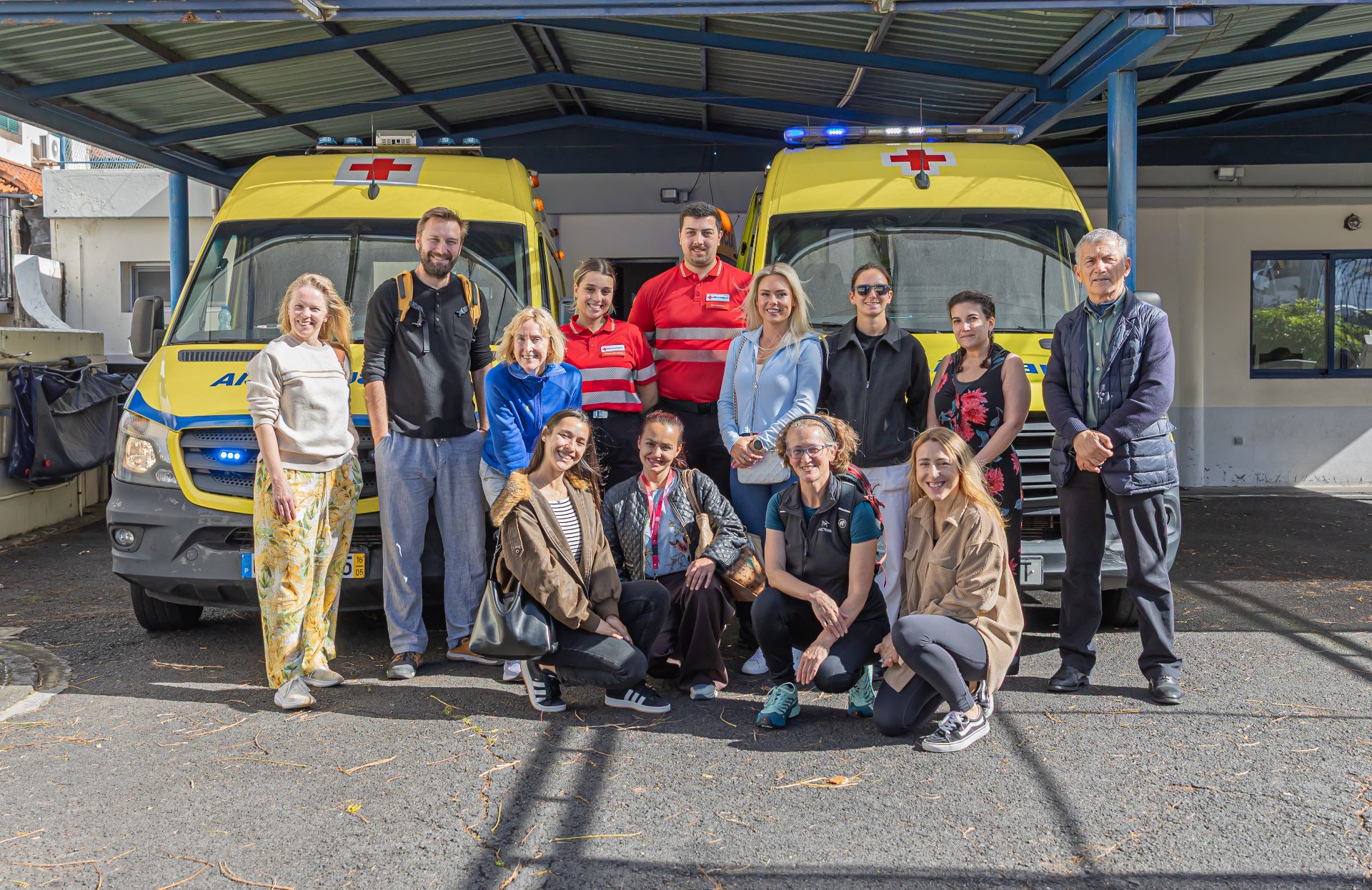
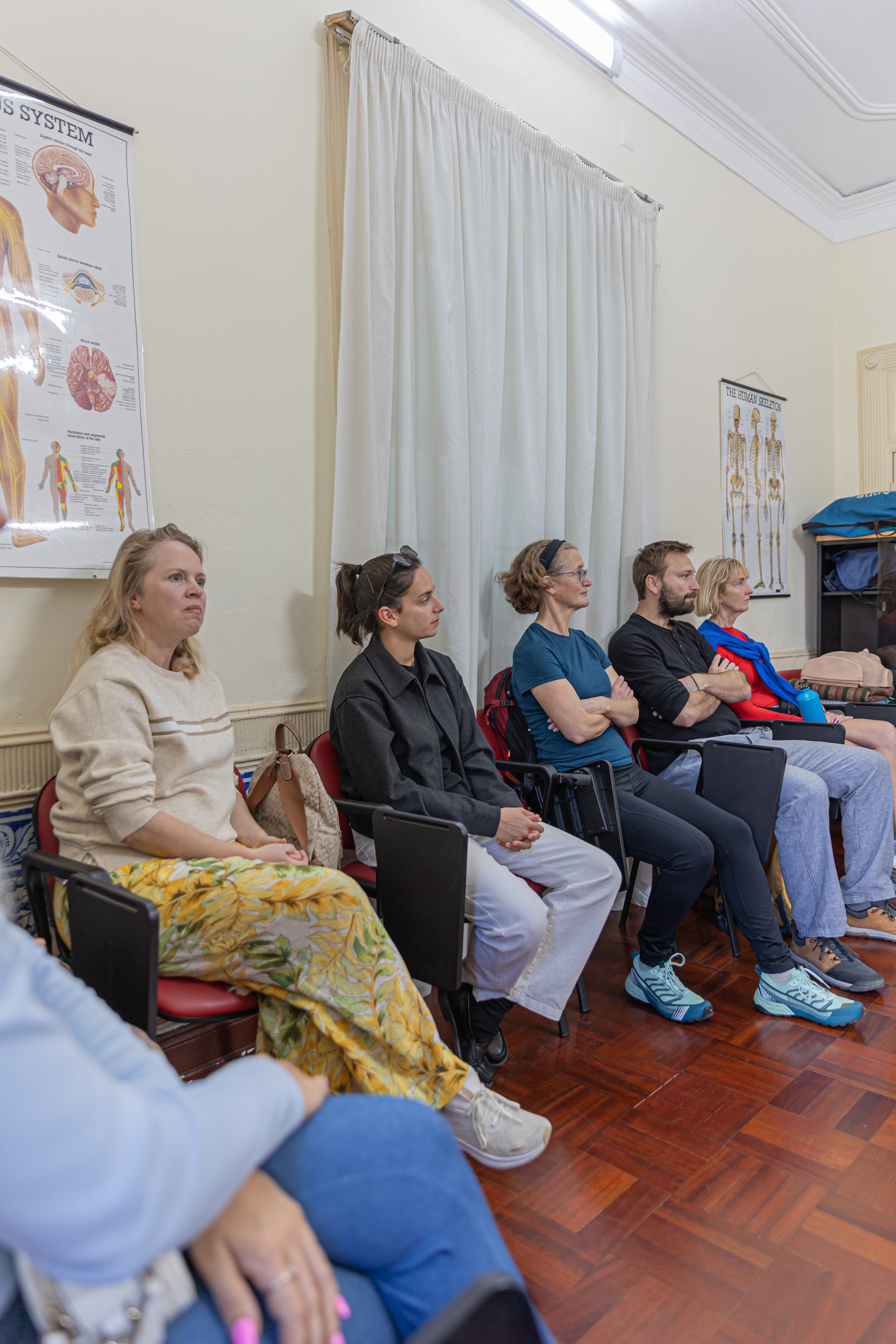
That was the question of their rececent visit to the Madeira Delegation of the Portuguese Red Cross, based in Funchal. For our group, it was an opportunity to better understand the many ways the organisation supports the local community: from emergency response and patient transport to social support, education, and volunteering. The delegation is headquartered on Rua das Mercês, 40, Funchal, and its public work spans areas including social support, emergency response, health, and training and education.
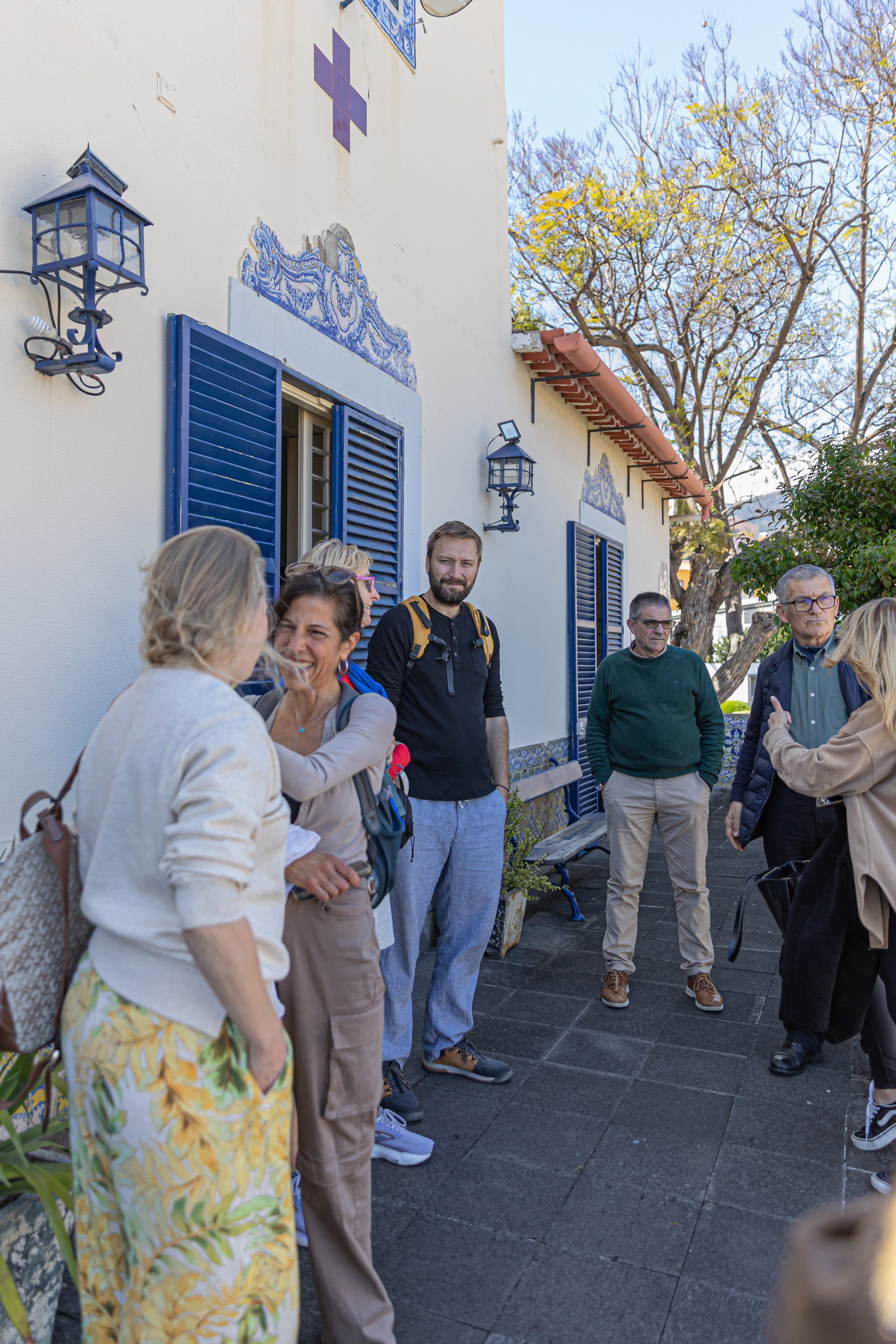
From the moment we arrived, we were warmly welcomed by Manuel Rui Nunes, President of the Delegation, and Maria, who shared the story behind the Portuguese Red Cross in Madeira and introduced us to the scope of its work today.
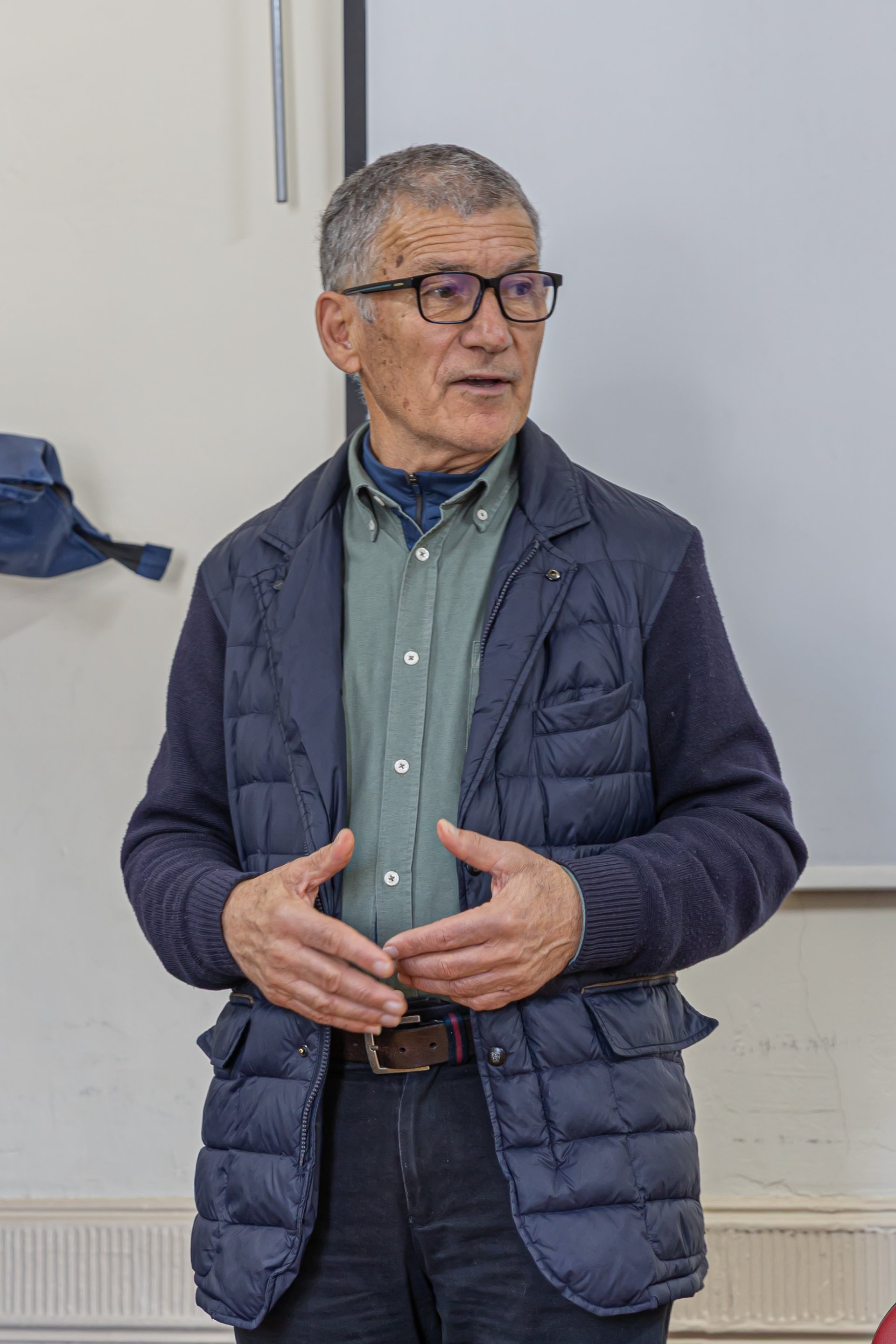
We learned more about the long history of the delegation, which dates back to 14 November 1914, making it one of the island’s most established humanitarian institutions. Public historical records also note Madeira as an early Red Cross delegation in Portugal, and the organisation continues to play an important role in the region today.
During the visit, the team explained how broad their work really is. Beyond the emergency and pre-hospital response that many people may already associate with the Red Cross, the Madeira delegation also supports the community through social care, education, and local facilities. Its public information lists services and structures in Funchal including Infantário Donamina and Complexo Donaolga de Brito, underlining how wide-ranging its role is in everyday life on the island.
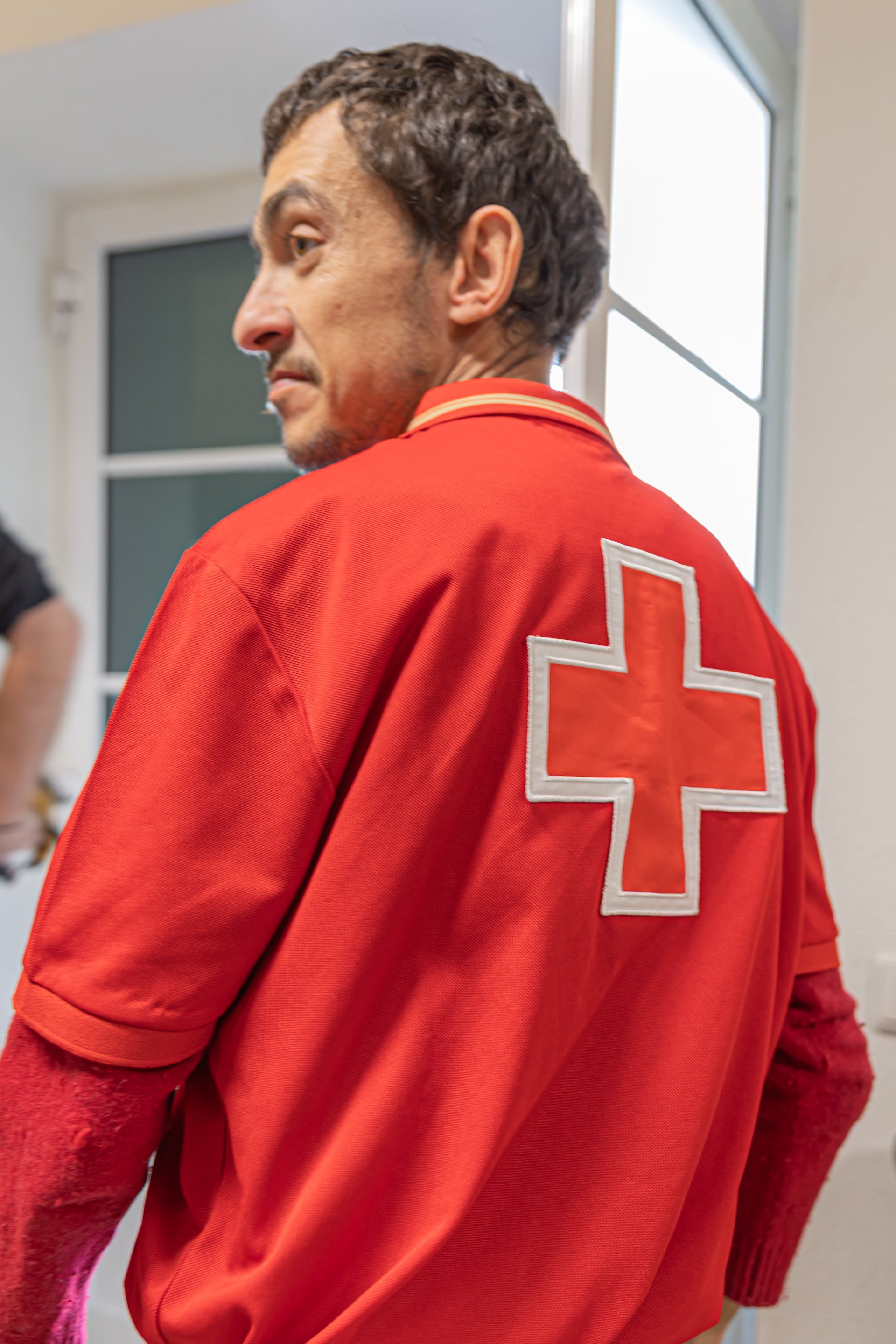
We also had the chance to hear more about the operational side of their work. The delegation publicly states that it provides pre-hospital assistance and ambulance transport for ill or injured people, as well as support for leisure events when requested. This is backed by recent regional support for its emergency services, including the delivery of a new ambulance in 2024 to reinforce its response capacity in Madeira.
Another part of the visit focused on volunteering, a key pillar of the organisation’s work. They have more than 100 volunteers overall across different volunteer structures, many of them students. The team also shared that they are actively looking for more volunteers, and that having around 50 additional volunteers would make a meaningful difference to their capacity.
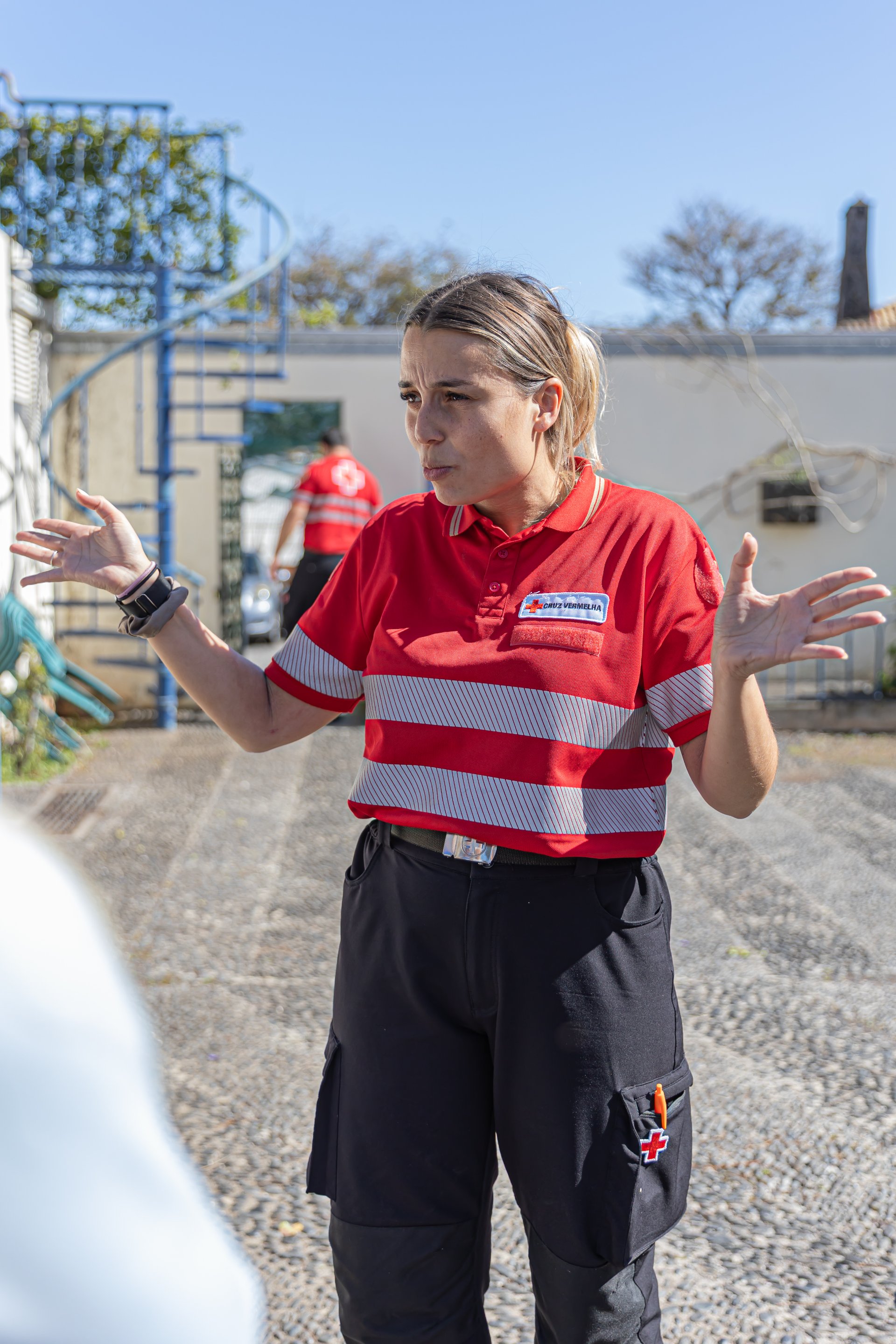
We were also warmly welcomed by Rui and Francesa, who showed us the vehicles used by the delegation and helped bring the organisation’s day-to-day reality to life. Seeing this side of the Red Cross first-hand made it easier to appreciate the preparation, coordination, and practical logistics behind the services that support Madeira’s population.
One of the most memorable parts of the day was our visit to the community centre for older adults. There, we were greeted with warmth and openness by the seniors attending the centre. Some members of our group sat down to play dominoes, while others admired the embroidery one woman was working on and asked her about it. A few participants even took the opportunity to practise their Portuguese, which made the exchange feel especially meaningful. We also met Nelson and Lurdes, who attend the community centre twice a week as a way of staying active and connected. Nelson proudly showed us the horta planted by the community, while Lurdes shared the crochet pieces she creates to sell at fairs, with the proceeds then donated back to the Red Cross.
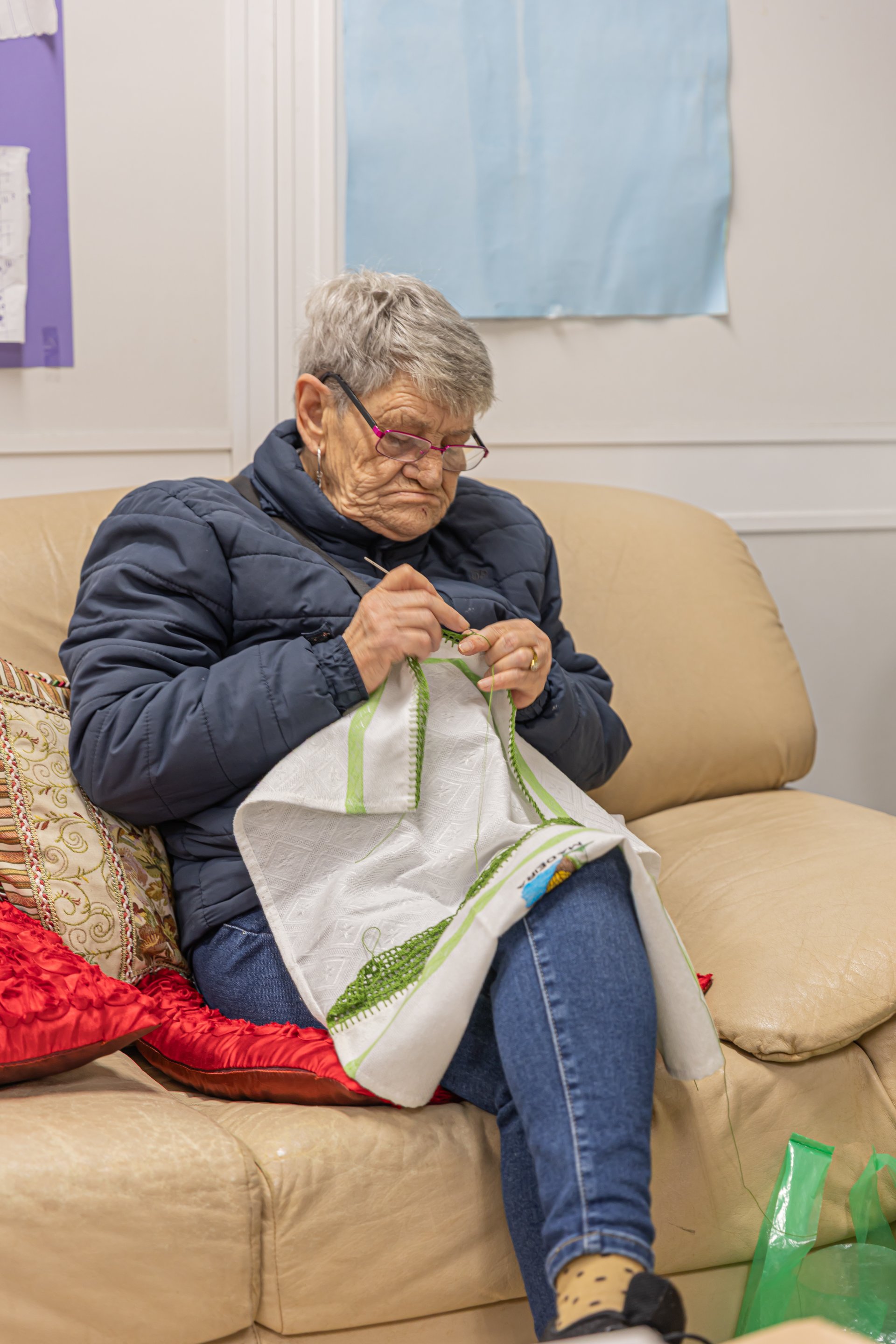
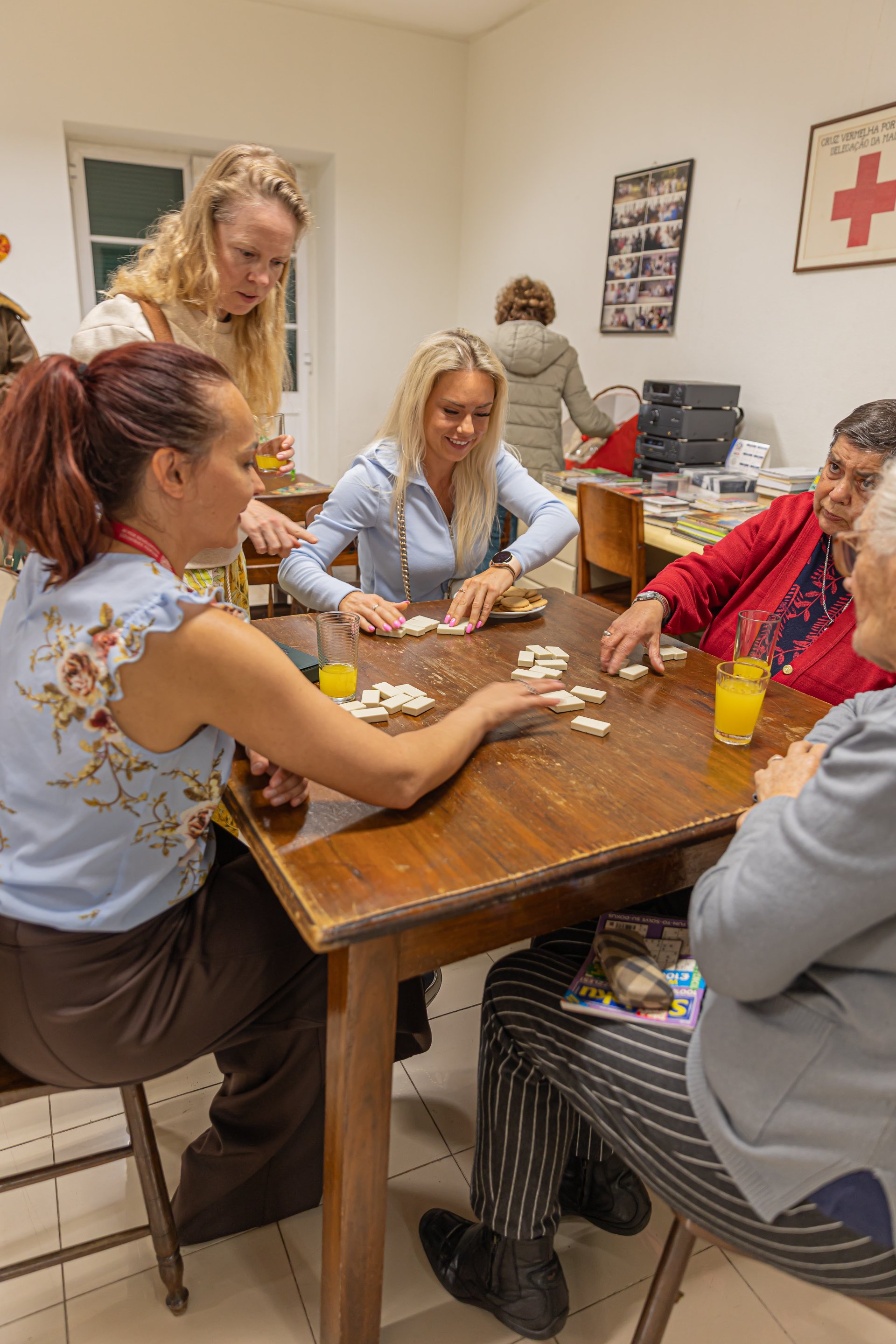
These moments gave our group a much more human picture of what community support really means: not just services provided to people, but spaces where people continue to contribute, participate, and belong.
Another stop on the visit was the clothing donations shop, which impressed many of us with how organised it was considering the amount of clothing it receives. At the same time, the team also spoke honestly about one of the challenges they face: many items are donated in poor condition, which creates additional work behind the scenes. It was a useful reminder that community support depends not only on generosity, but also on care and responsibility.
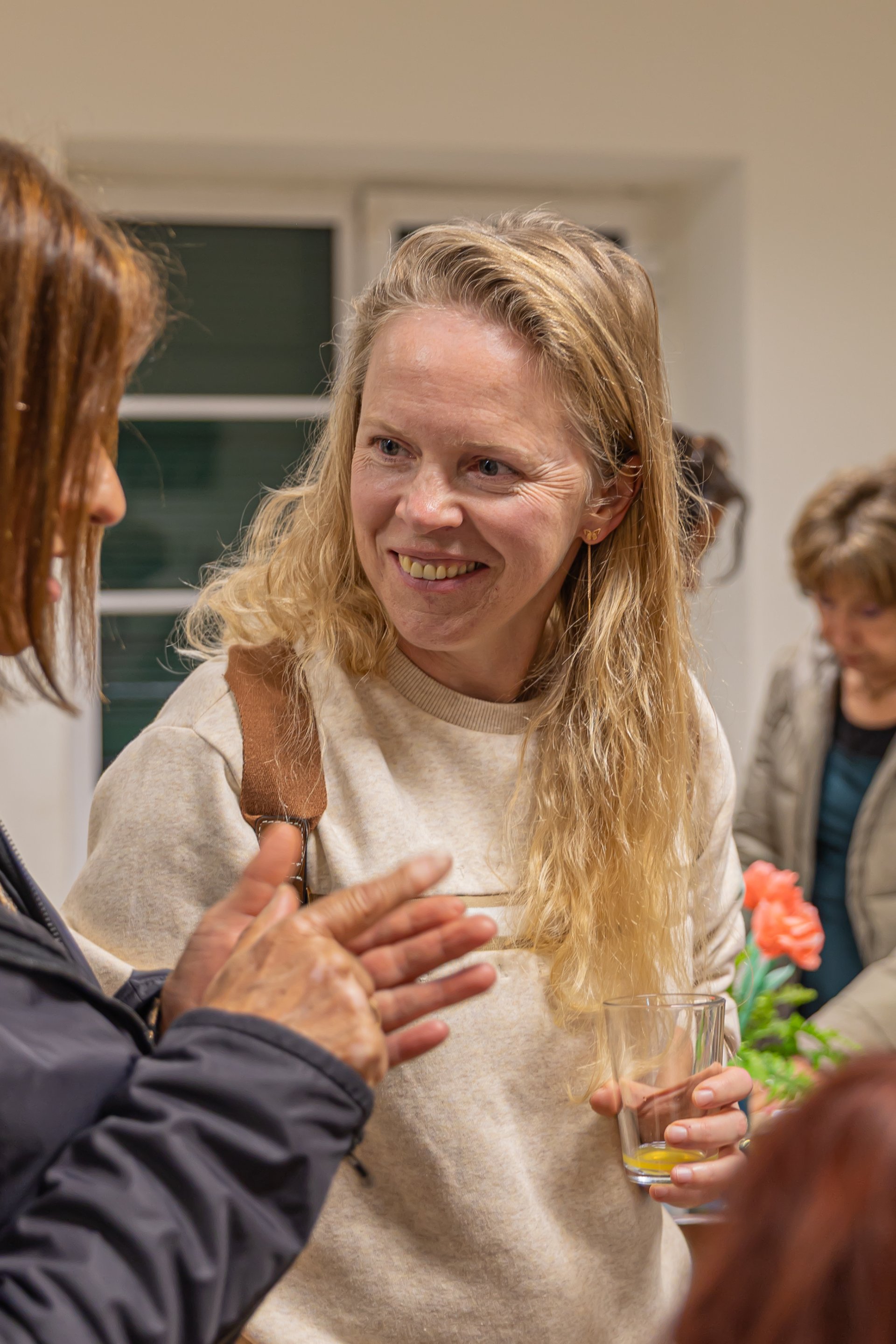
What stood out most throughout the day was the contrast between the Red Cross’s visible emergency role and its quieter, everyday work in the community. Many people know the organisation through ambulances, emergency support, or event assistance. But this visit also showed us another side: the social spaces, educational work, volunteer effort, and local relationships that help hold a community together.
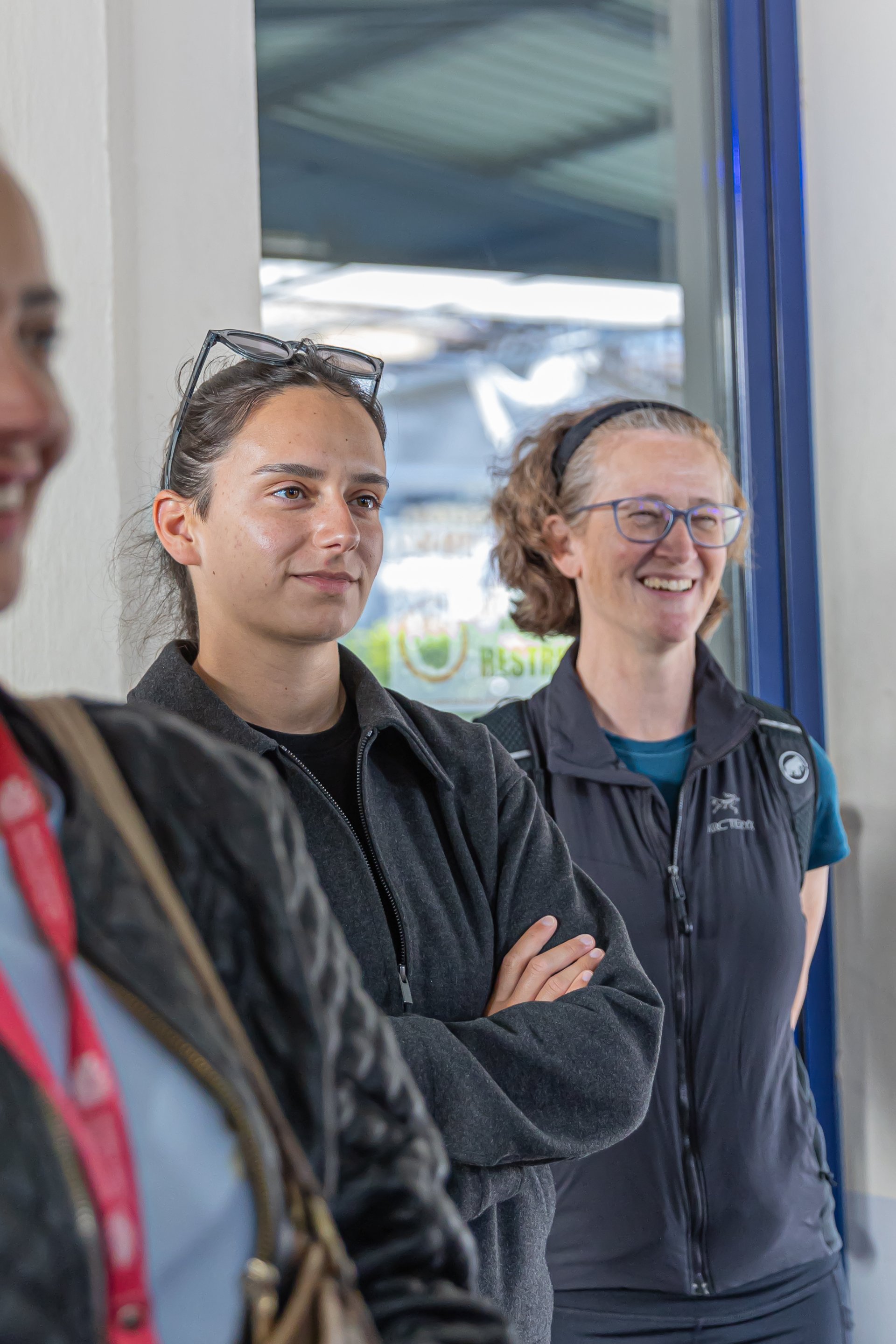
Visits like this are not only informative; they are an important form of cultural exchange between internationals and locals. Opportunities like this create space to better understand local realities, hear directly from those doing the work, and connect through genuine conversations and shared experiences.
This also helps build stronger bridges across the community. Whether it is playing dominoes with seniors, practising Portuguese, asking about crochet and embroidery, or learning how emergency response works on the island, these moments create something more lasting than a simple visit. They create connection, trust, and a stronger sense of belonging.
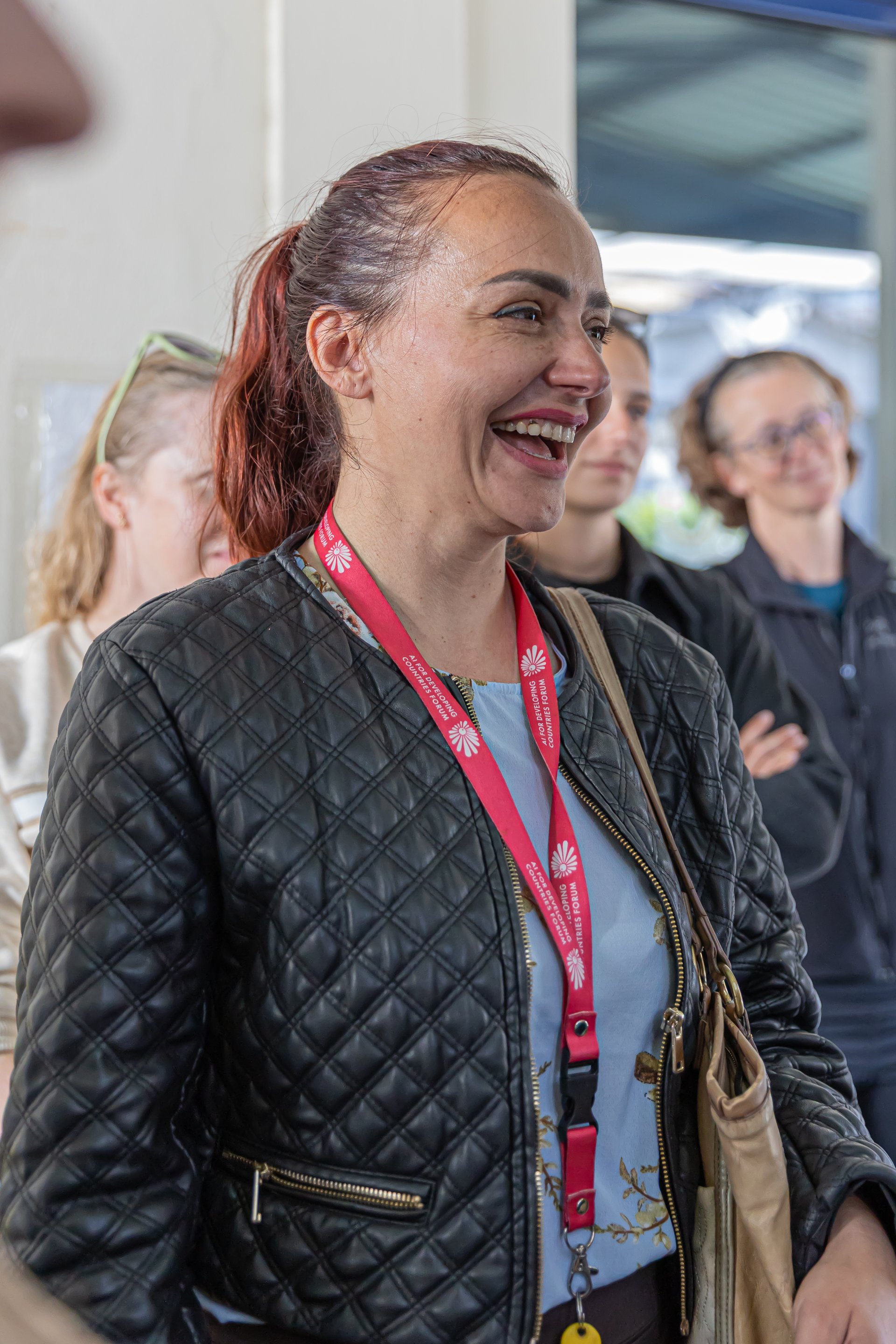
We would like to warmly thank Manuel Rui Nunes, Maria, Rui, Francesa, Nelson, Lurdes, and everyone at the Madeira Delegation of the Portuguese Red Cross for welcoming our group so generously and for sharing their time, knowledge, and stories with us.