
Every few years, the “best digital nomad destination” changes. Chiang Mai had its era. Then Bali exploded. Lisbon became the European hotspot. Mexico City surged. The Canary Islands grew fast. And then Madeira quietly became one of the world’s most interesting remote work destinations. Not because it’s the cheapest. But because of the lifestyle balance.
Here’s how Madeira compares to other major nomad hubs in 2026.
Madeira vs Bali

Bali Wins On:
- ultra-low-cost living,
- cheap villas,
- nightlife,
- scooter lifestyle.
Madeira Wins On:
- safety,
- infrastructure,
- internet stability,
- hiking,
- healthcare,
- weather consistency,
- work-life balance.
Bali is cheaper. Madeira is calmer, cleaner, and significantly easier for long-term sustainable living.
Many remote workers eventually “graduate” from Bali chaos into Madeira balance.
Madeira vs Lisbon
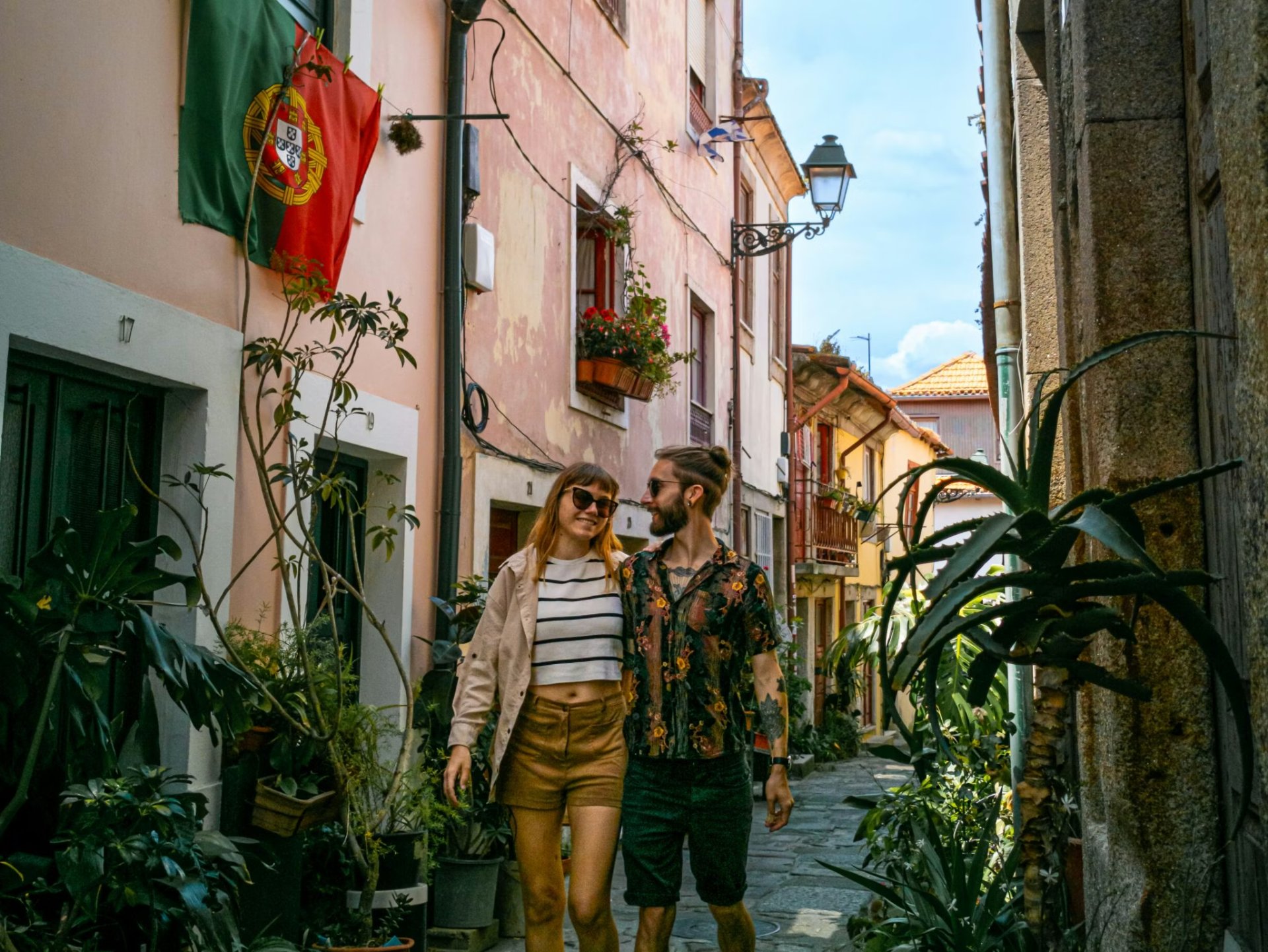
Lisbon offers:
- bigger city energy,
- startup ecosystem,
- more nightlife,
- more career opportunities.
But Madeira offers:
- lower stress,
- easier access to nature,
- less burnout,
- better weather consistency,
- stronger sense of community.
And increasingly:
- better value.
Many remote workers now feel Lisbon became overcrowded and overpriced after the remote work boom. Madeira still feels human-scale.
Madeira vs Canary Islands

The Canary Islands have:
- larger scale,
- more beaches,
- bigger expat infrastructure,
- cheaper flights.
But Madeira stands out for:
- greener landscapes,
- dramatic mountains,
- stronger community feel,
- walkable Funchal lifestyle,
- and a more connected remote worker ecosystem.
This is probably Madeira’s closest competitor. Yet, many people say Tenerife feels more tourist-heavy, while Madeira feels more community-driven.
Madeira vs Thailand
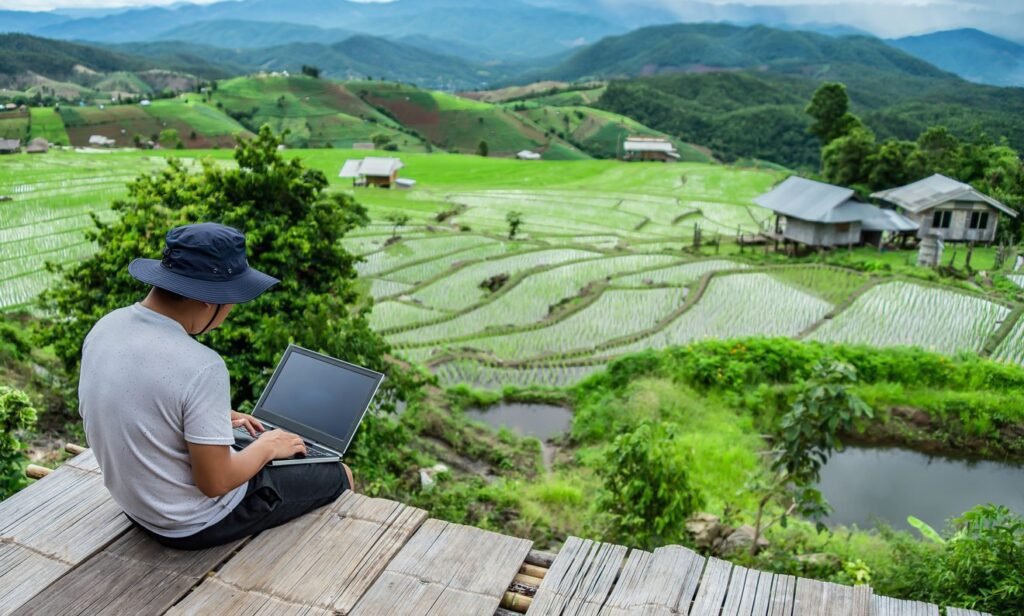
Thailand is still unbeatable for pure affordability.
But Madeira offers:
- European safety standards,
- western infrastructure,
- easier timezone for Europe,
- cleaner bureaucracy,
- and simpler long-term integration for Europeans.
You’ll spend more in Madeira. But many people also feel healthier and more balanced living here.
The Hidden Advantage of Madeira Island

The biggest difference isn’t the weather and it's not poncha. It’s the community. Madeira became one of the few places where remote workers consistently:
- make friends,
- build routines,
- stay longer,
- and actually feel connected.
Organizations like Madeira Friends helped create that ecosystem through:
- events,
- workouts,
- volunteering,
- coworking,
- social activities,
- and community support.
That social layer matters far more than most people realize when choosing where to live remotely.
The Downsides of Madeira
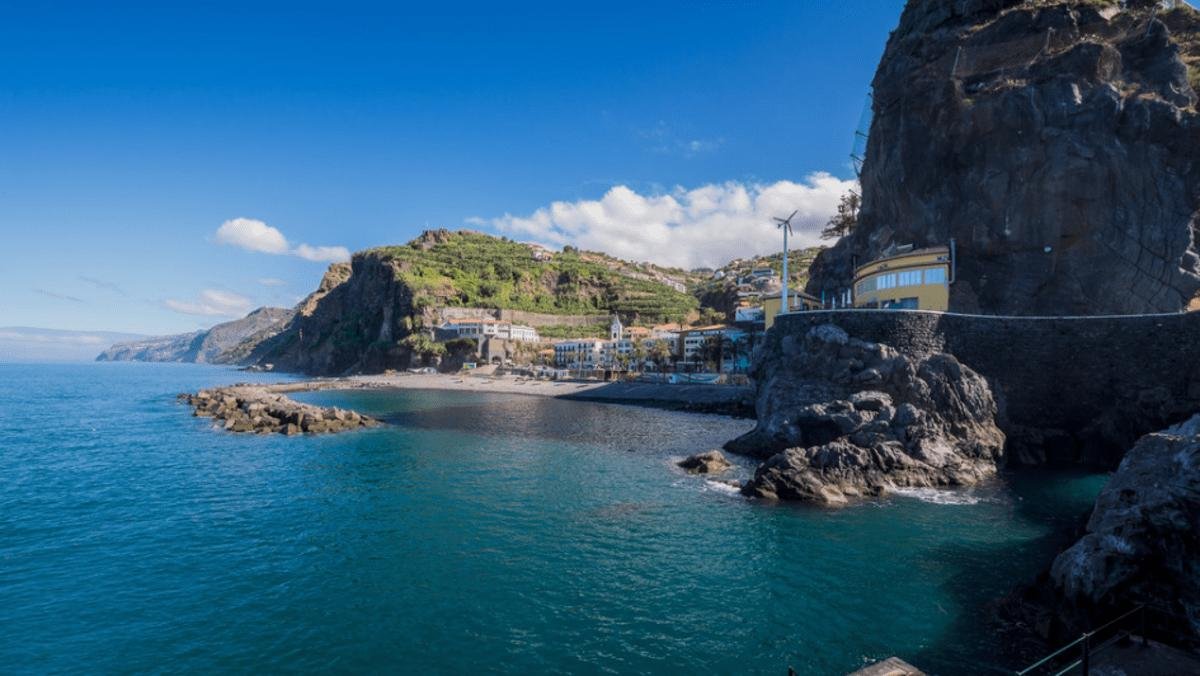
To be fair, Madeira is not perfect. The biggest challenges:
- housing shortage,
- increasing rent prices,
- island isolation,
- car dependency,
- limited nightlife compared to bigger cities.
But for many people, the tradeoff is worth it.
Final Verdict
Madeira is probably not the best destination if:
- your only goal is spending as little money as possible,
- you want huge city nightlife,
- or you need ultra-fast-paced urban energy.
But it might be one of the best places in the world if you value:
- balance,
- health,
- community,
- productivity,
- nature,
- and quality of life.
That’s why so many remote workers arrive for one month… and end up staying much longer.
Explore Madeira