Did you know that a female cat can become pregnant when she is only a few months old and can have multiple litters in a single year? Now imagine what happens when just a handful of unsterilised cats become an entire colony.
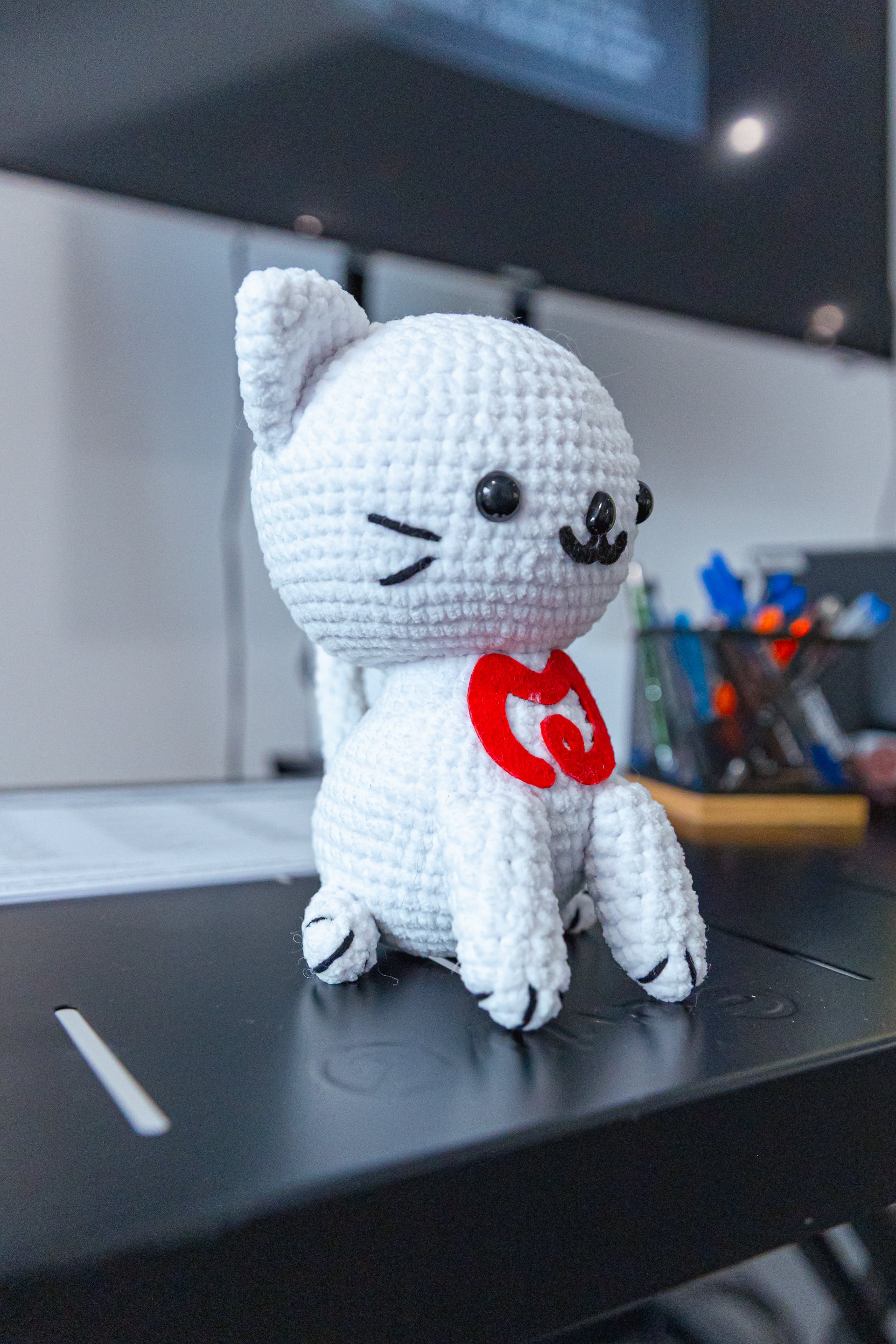
That is why 76 sterilisations in three days are much more than a statistic. They represent hundreds of potential future births prevented, healthier colonies and one important step towards managing Madeira’s street-cat population in a humane and sustainable way.
But this story is about much more than cats.
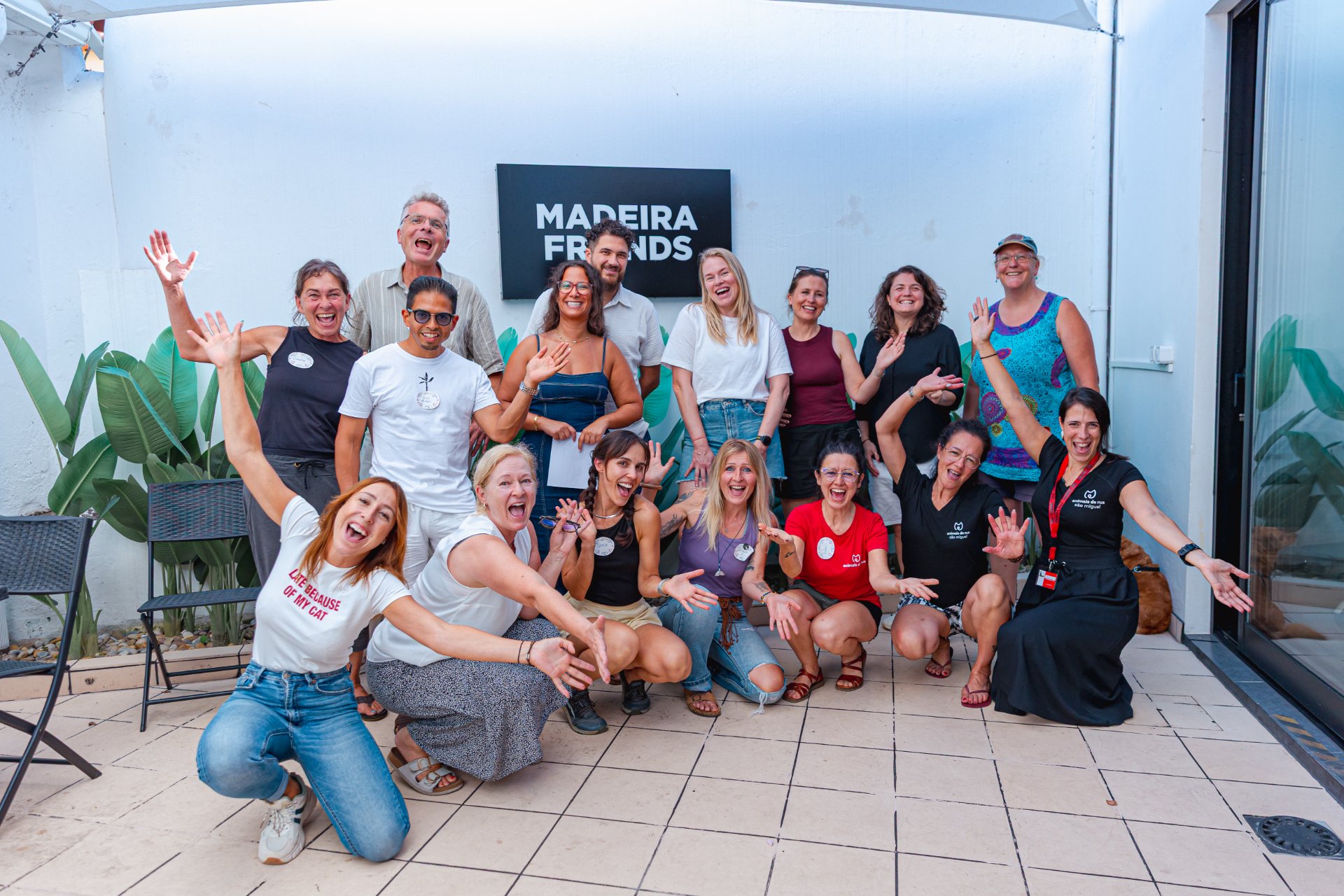
It is about people from Madeira, the Açores and countries around the world coming together for the island they share.
Earlier in May 2026, during an animal-welfare meeting in Madeira, one conclusion came through particularly strongly: people and organisations working with animals cannot continue working in isolation. Better cooperation, more communication, training and collaboration between associations, municipalities, caregivers, volunteers and the wider community were essential if Madeira wanted to create lasting change.
Just a few months later, we watched exactly that happen.
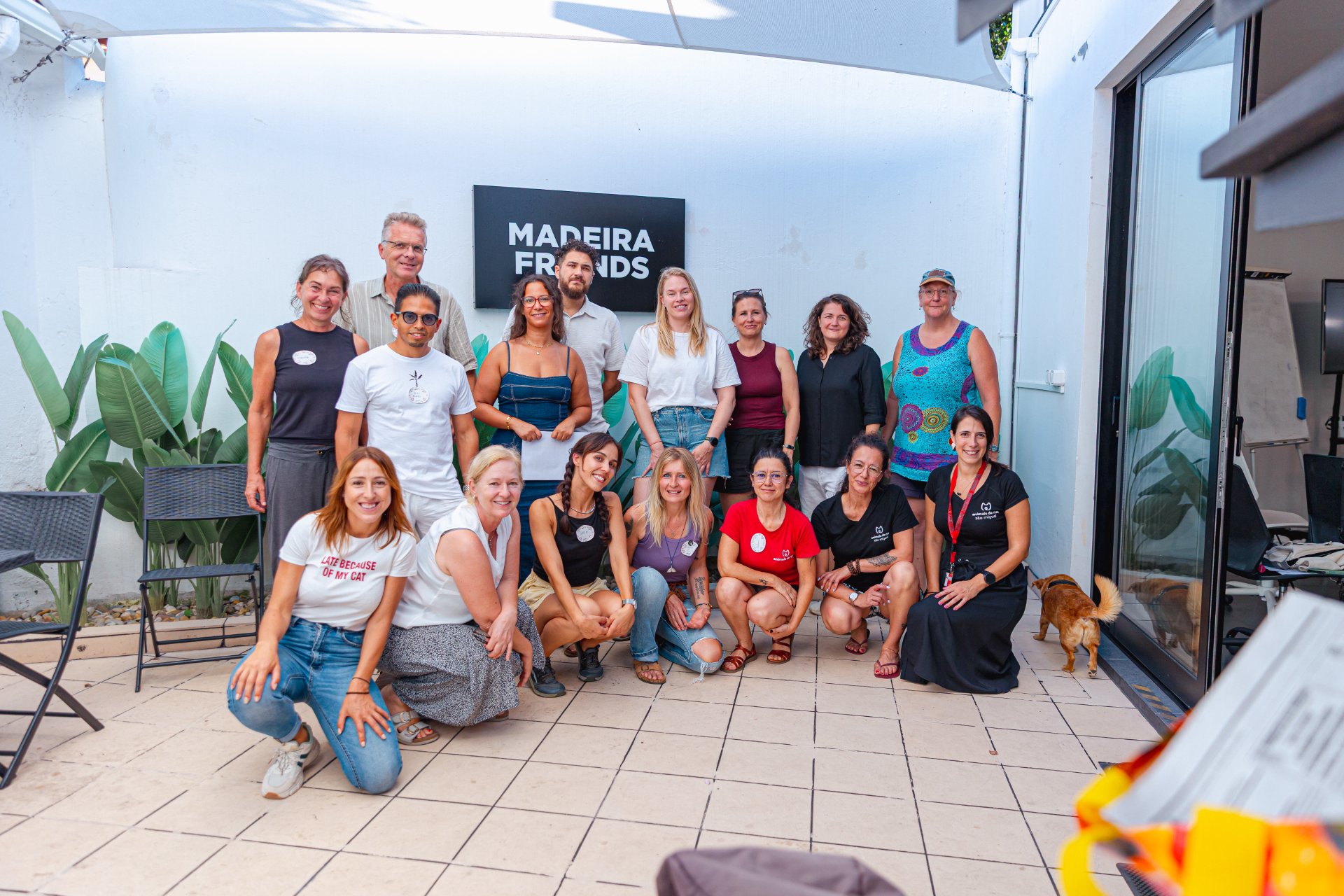
From 12–16 September 2026, Animais de Rua returned to Madeira for the second CED campaign, bringing experience and knowledge from their work across Portugal and the Açores. Alongside them were Madeiran residents, local caregivers and members of Madeira’s international community who volunteered their time to help.
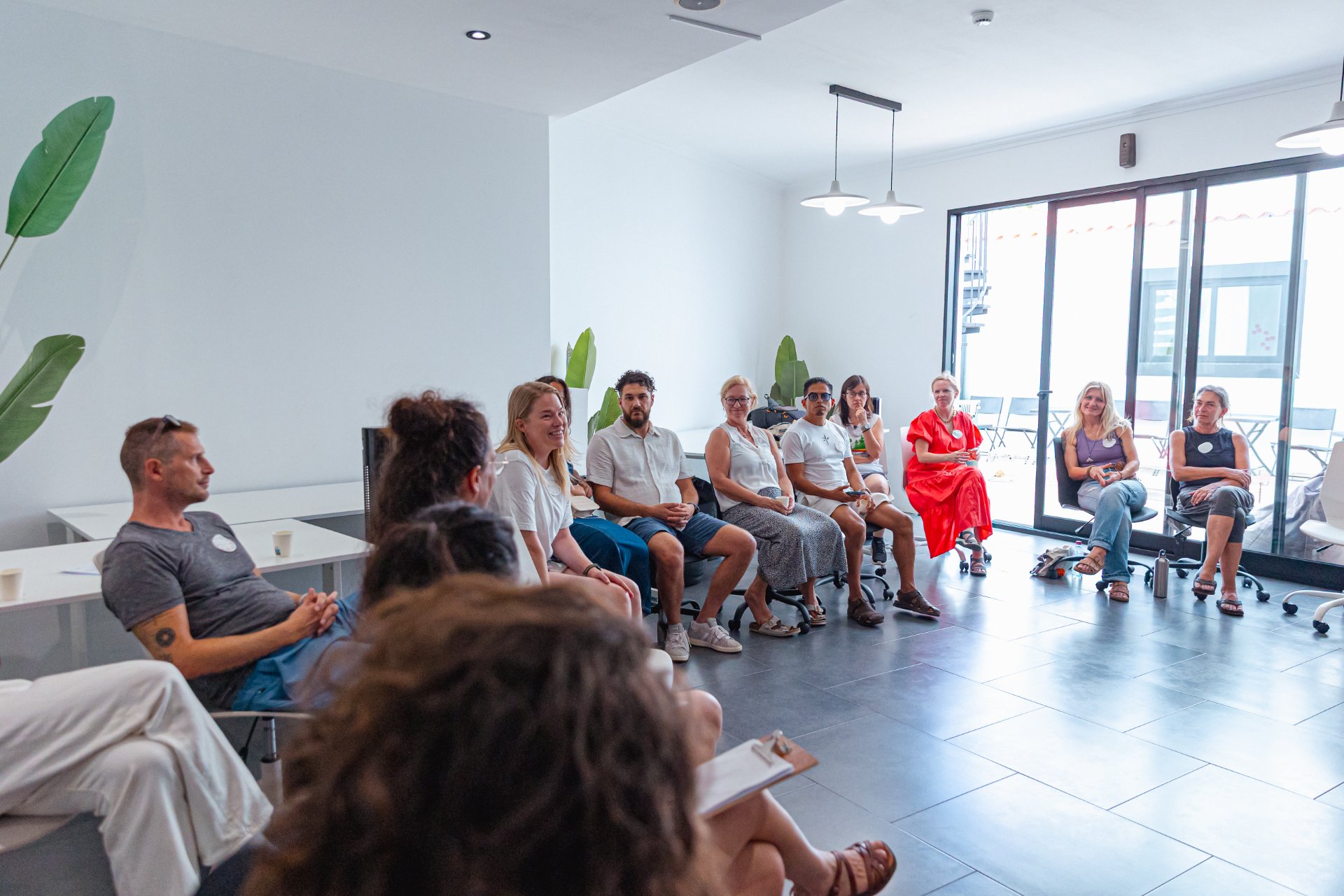
The result was 77 cats captured: 73 in Câmara de Lobos, three in Calheta and one in Ribeira Brava. Of those, 76 were sterilised, microchipped, vaccinated and ear-tipped. One kitten was still too young to undergo the procedure.
CED: Capturar, Esterilizar e Devolver, or Trap-Neuter-Return, involves humanely capturing street cats, sterilising and treating them, identifying them through the characteristic ear-tip and returning them to their original territory, where the colony continues to be monitored. Animais de Rua describes CED as a community project that requires cooperation between veterinary services, municipalities, animal welfare organisations, caregivers and local communities.
And that community element was impossible to miss in Madeira.
The campaign was coordinated by Sofia Ávila de Lima, Animais de Rua’s Coordinator for Açores and Madeira, with Paula, Ondina, Anna Downey and Sara Monteiro as team leaders, while Mandy Carter was also involved in the organisation of the campaign. Around them was an incredible group of volunteers, including Elena Chistiakova, Sandra Frank, Benjamin Belo, Karolina Ploj, Marta Silva, Bernd Dürrer, Philipp Drescher, Claudia Marxen, Irene Andrade Pita, Tiina Koistinen, Eli Gonzalez, Carl Slifer, Dorita Abreu and others who supported the work in different ways.
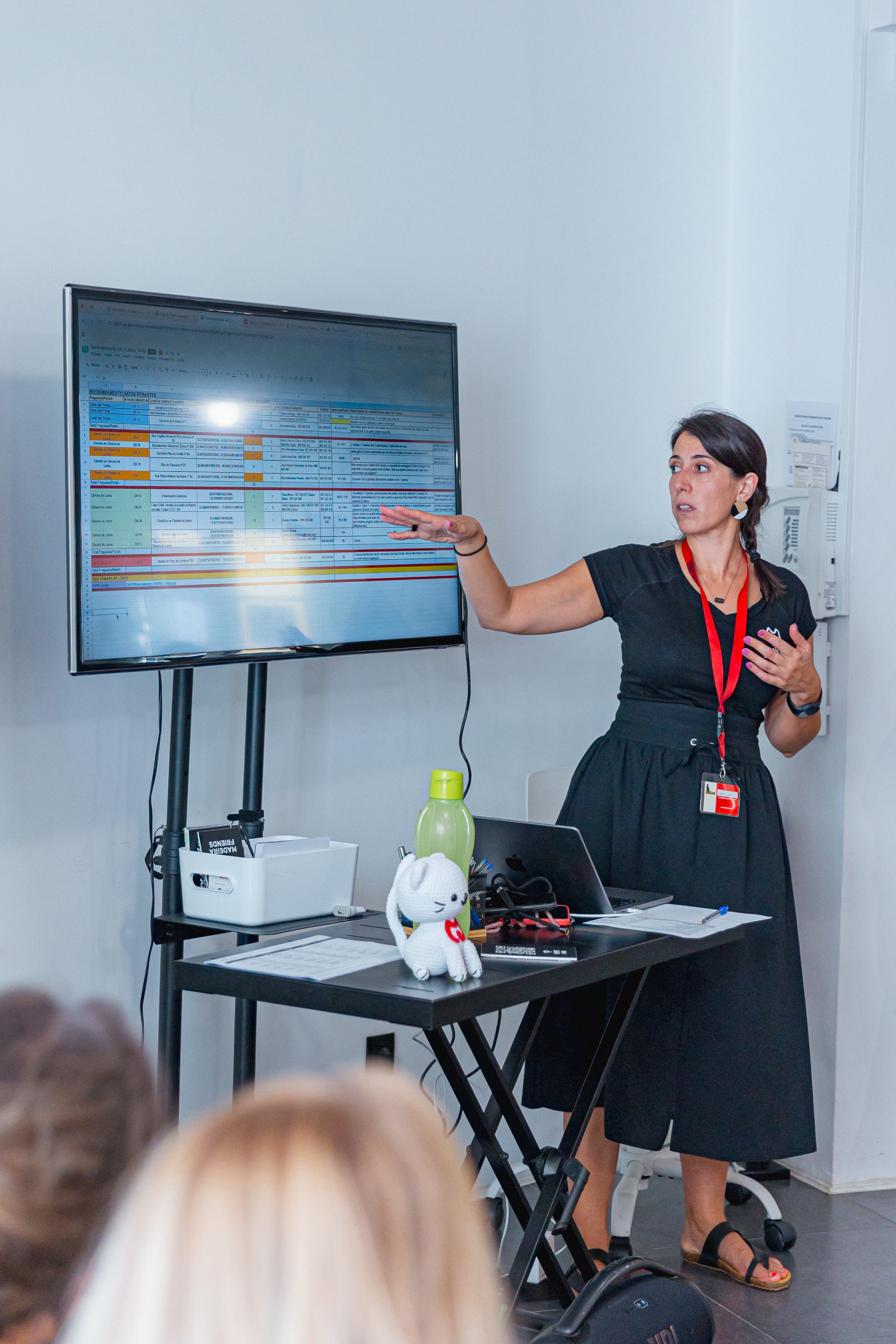
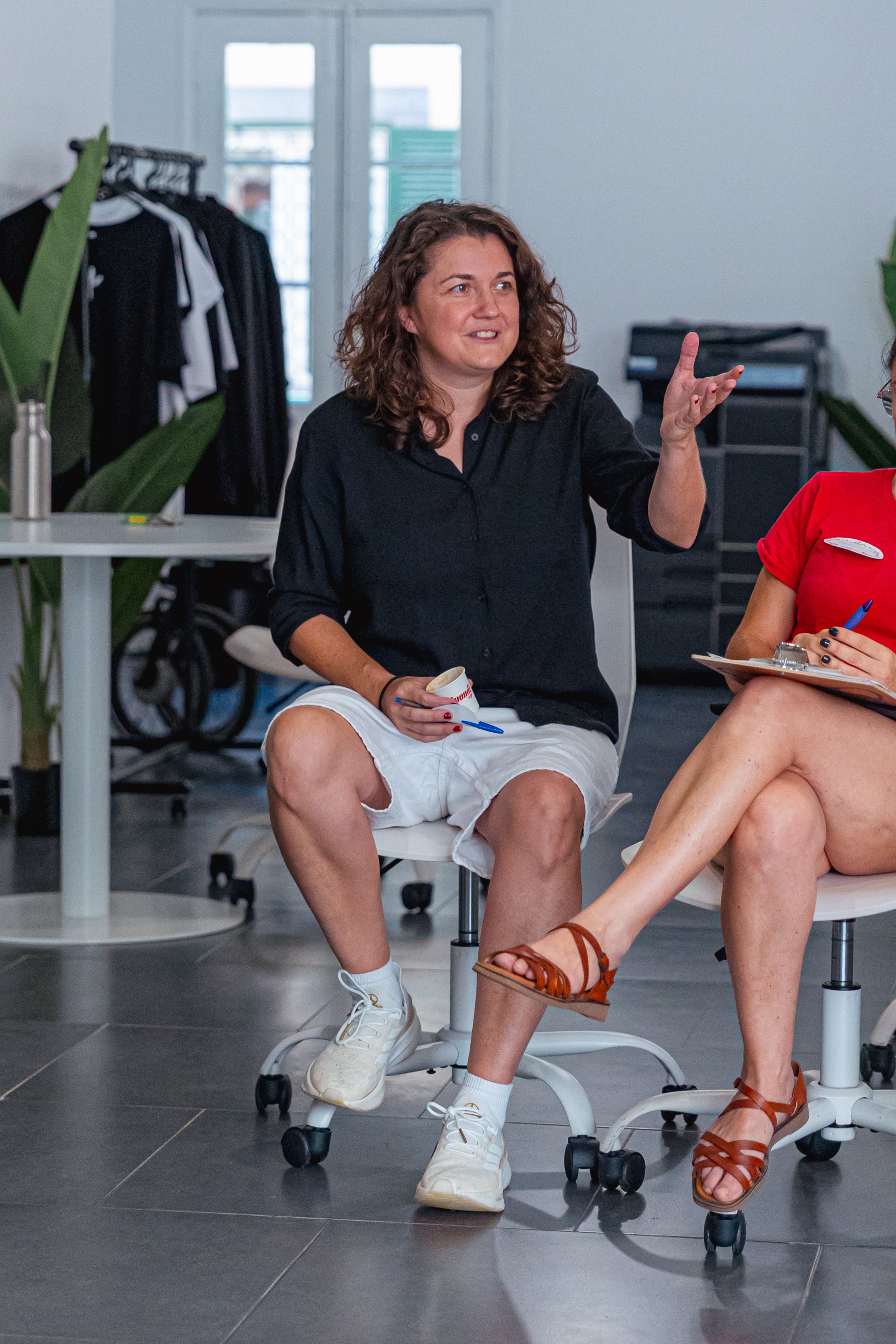
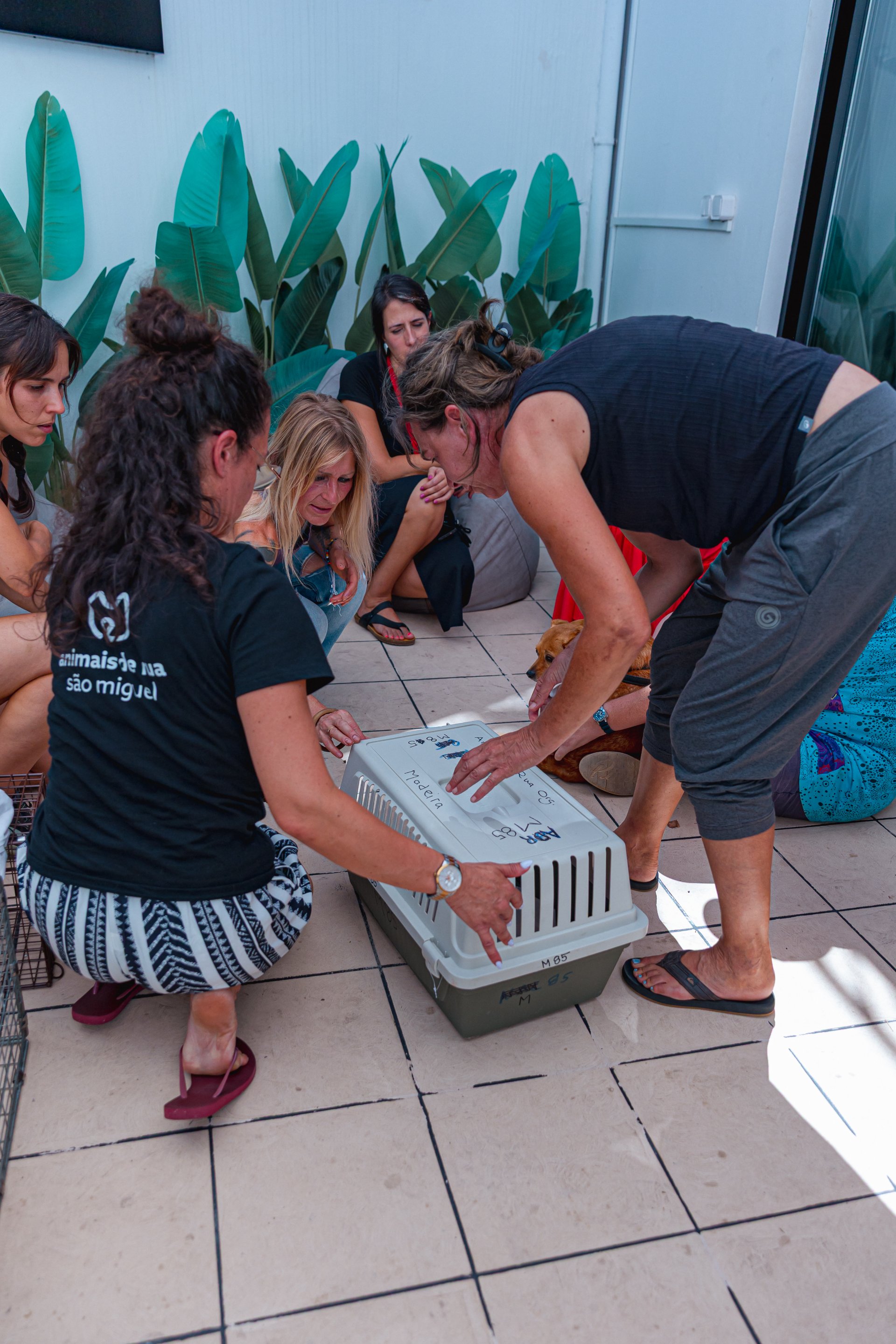
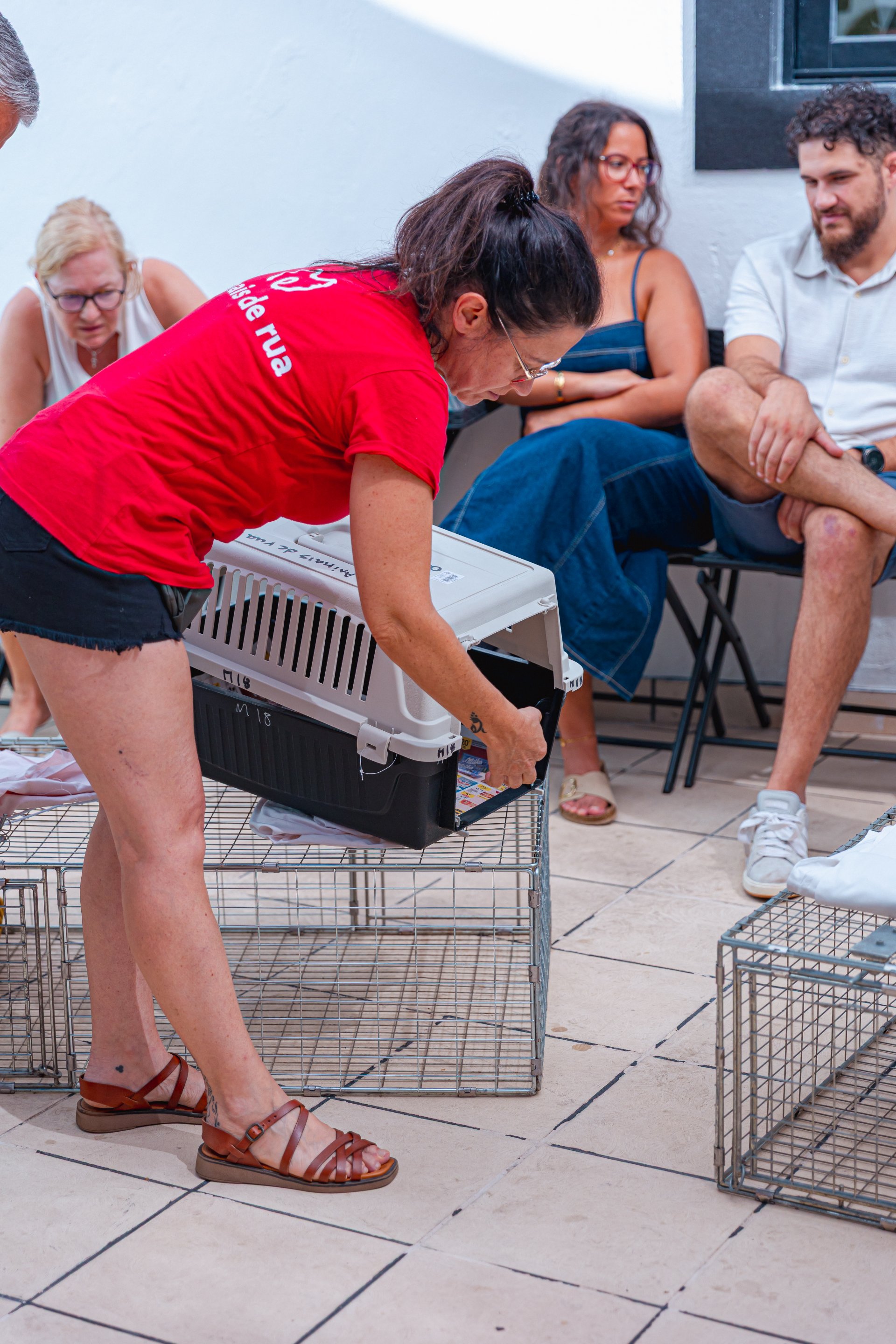
Before heading into the field, volunteers received training in how to use the traps correctly, work safely with the animals and minimise stress throughout the process. Then came the real work: locating colonies, preparing capture areas, waiting patiently, transporting cats, coordinating veterinary treatment and eventually returning them.
For volunteer Elena Chistiakova, it was an experience that went far beyond learning how to trap cats.
“Recently, I had a really interesting and unusual experience: I took part in an Animais de Rua project here in Madeira. On the first day, we had a short training session where we learned about the organisation, how to use the traps properly and how to work with the animals safely. A lot of attention was given to minimising stress for the cats and the ethical aspects. Then came the real fieldwork. We caught cats and took them to be sterilised. It was really nice to meet people who dedicate their time to helping stray animals and taking care of cat colonies around Madeira.”
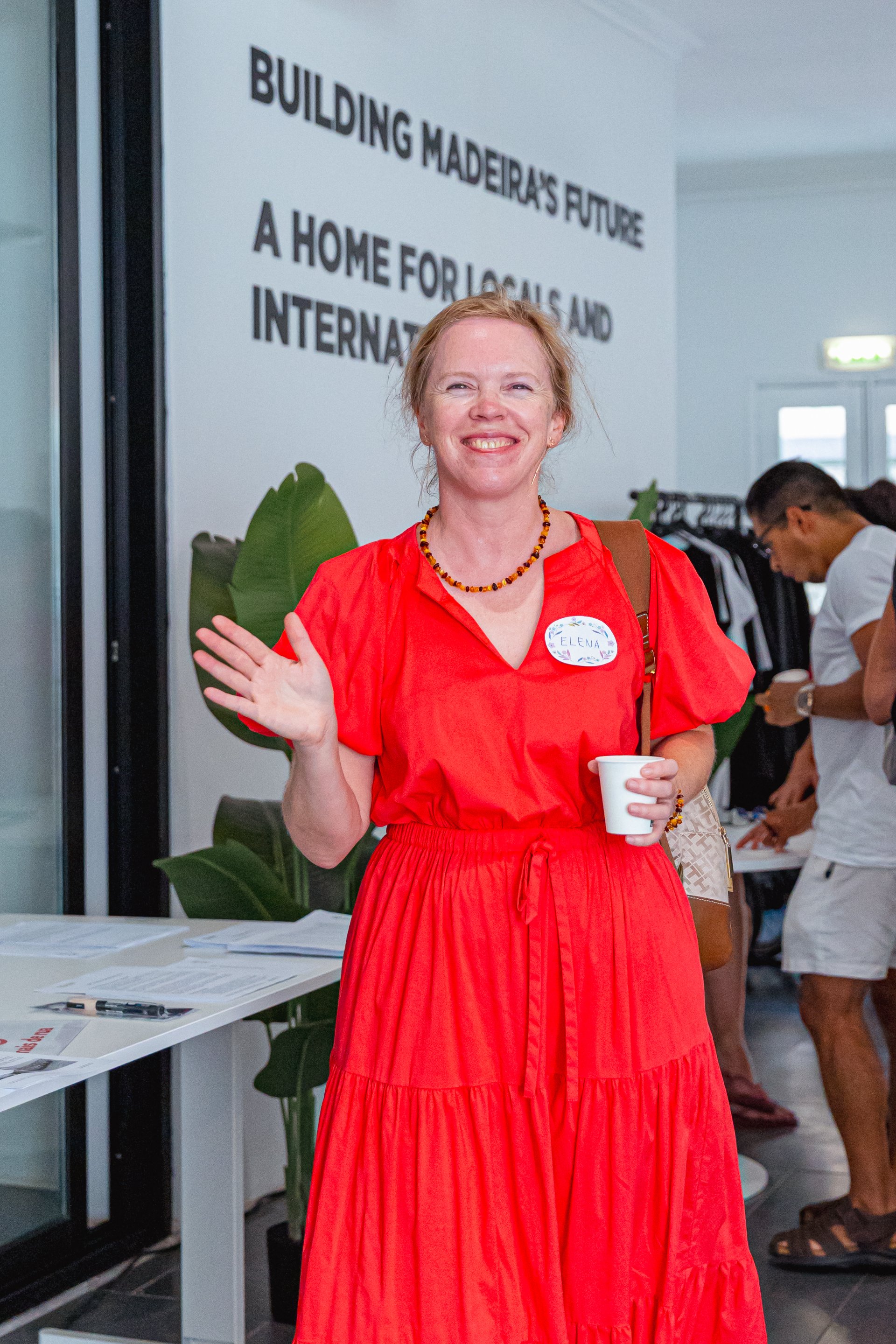
But perhaps her final observation says the most about what happened during those days: “It was also really cool to meet participants from different countries. We were all very different, but we were brought together by the same thing — the desire to do something good for animals.”
That is something worth celebrating.
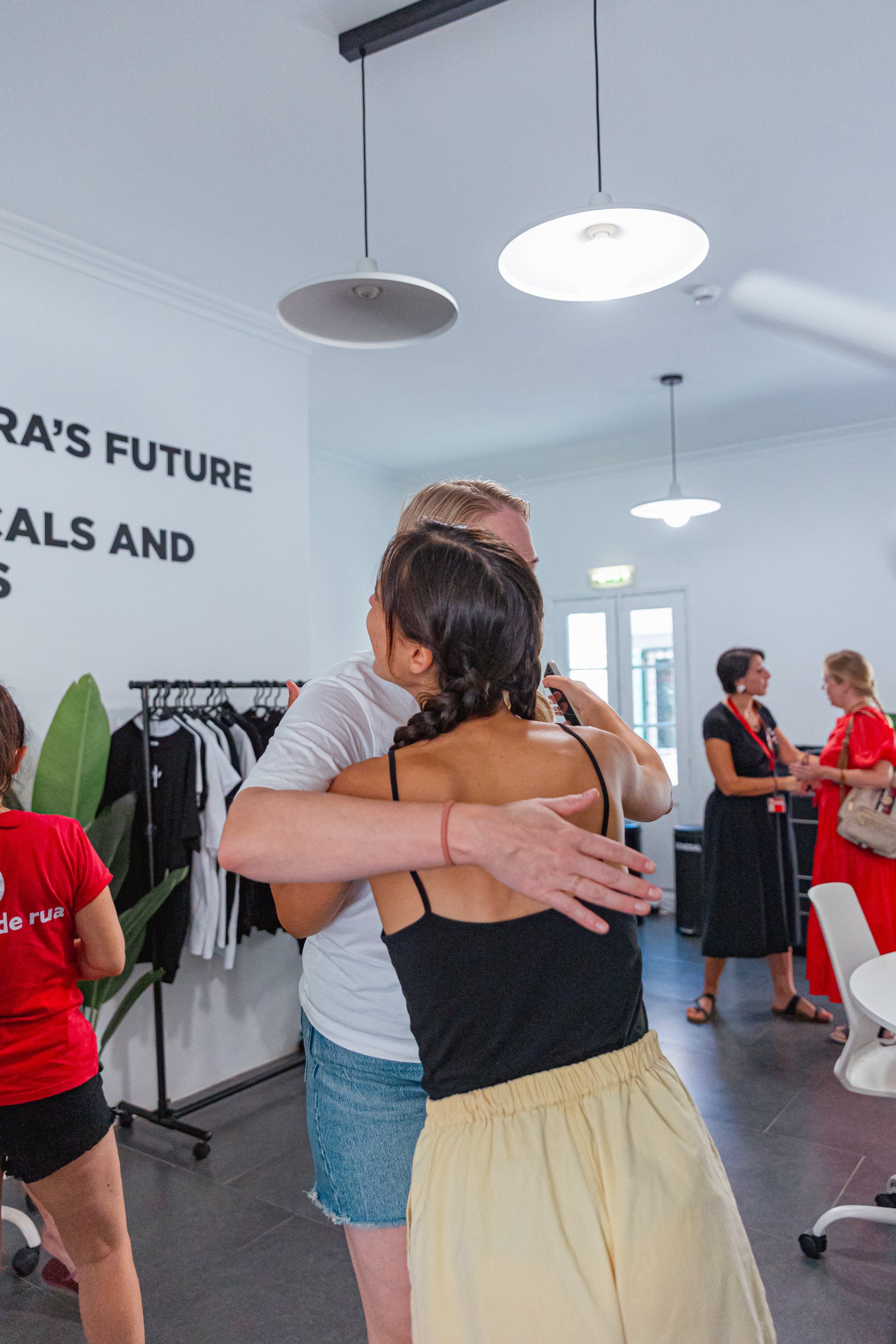
Madeira has welcomed an increasingly international community over the years. Integration is often discussed in terms of learning Portuguese, supporting local businesses or participating in cultural life. But integration can also look like spending hours beside a trap waiting for a frightened street cat. It can look like internationals working beside Madeiran caregivers who have spent years feeding the same colonies. It can look like knowledge travelling from the Açores to Madeira, being shared with new volunteers and remaining on the island long after a campaign has finished. This is what community can look like when it works.
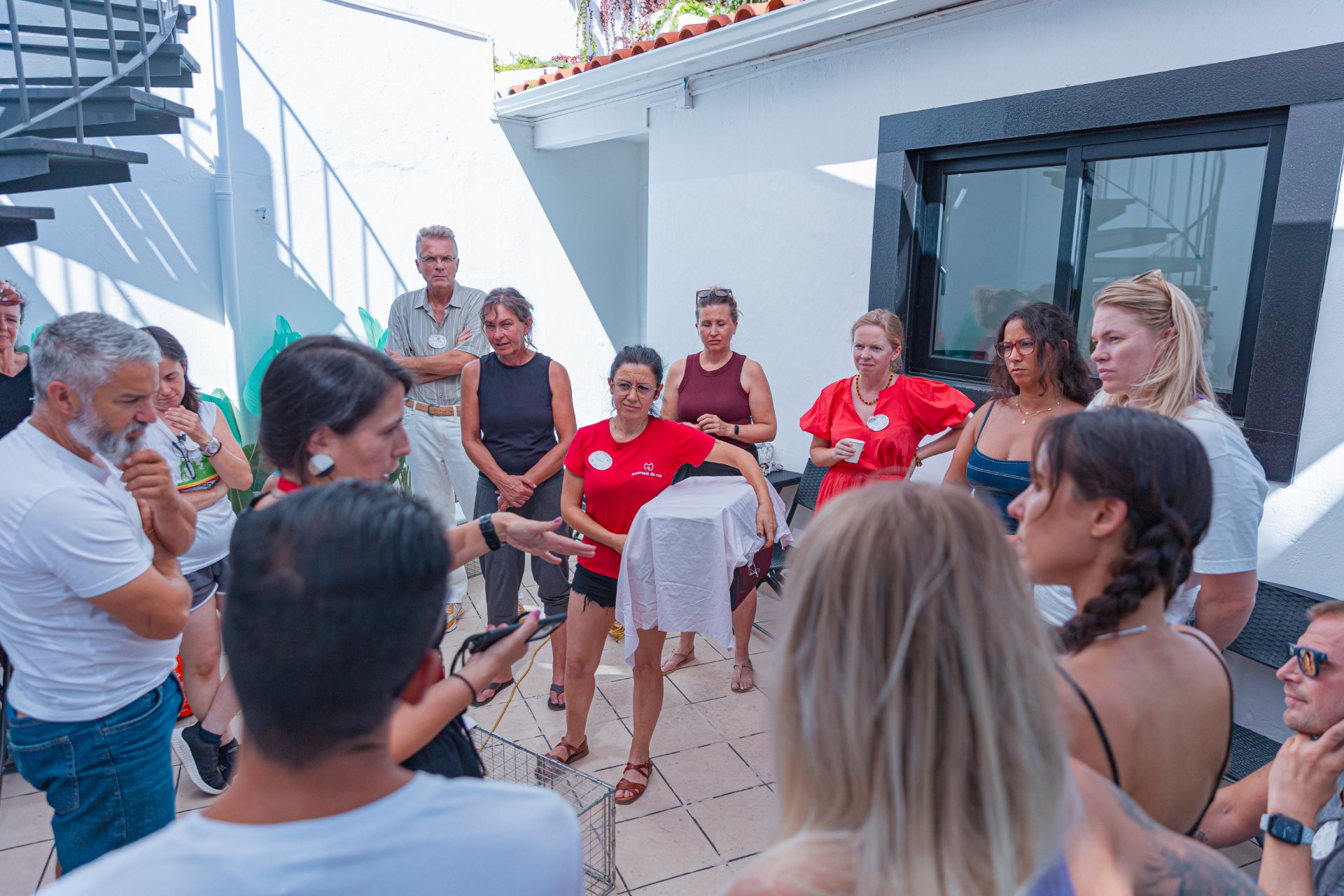
Animais de Rua has extensive experience in this field. The organisation reports more than 65,000 animals sterilised and treated nationally, alongside its work with municipalities, education and animal-welfare awareness. The organisation records a wider Madeira campaign involving five municipalities and 482 animals over seven days earlier in 2026.
That makes what is happening here even more significant. Madeira is not simply receiving outside help. It is developing relationships, training volunteers and building the local capacity needed to continue this work.
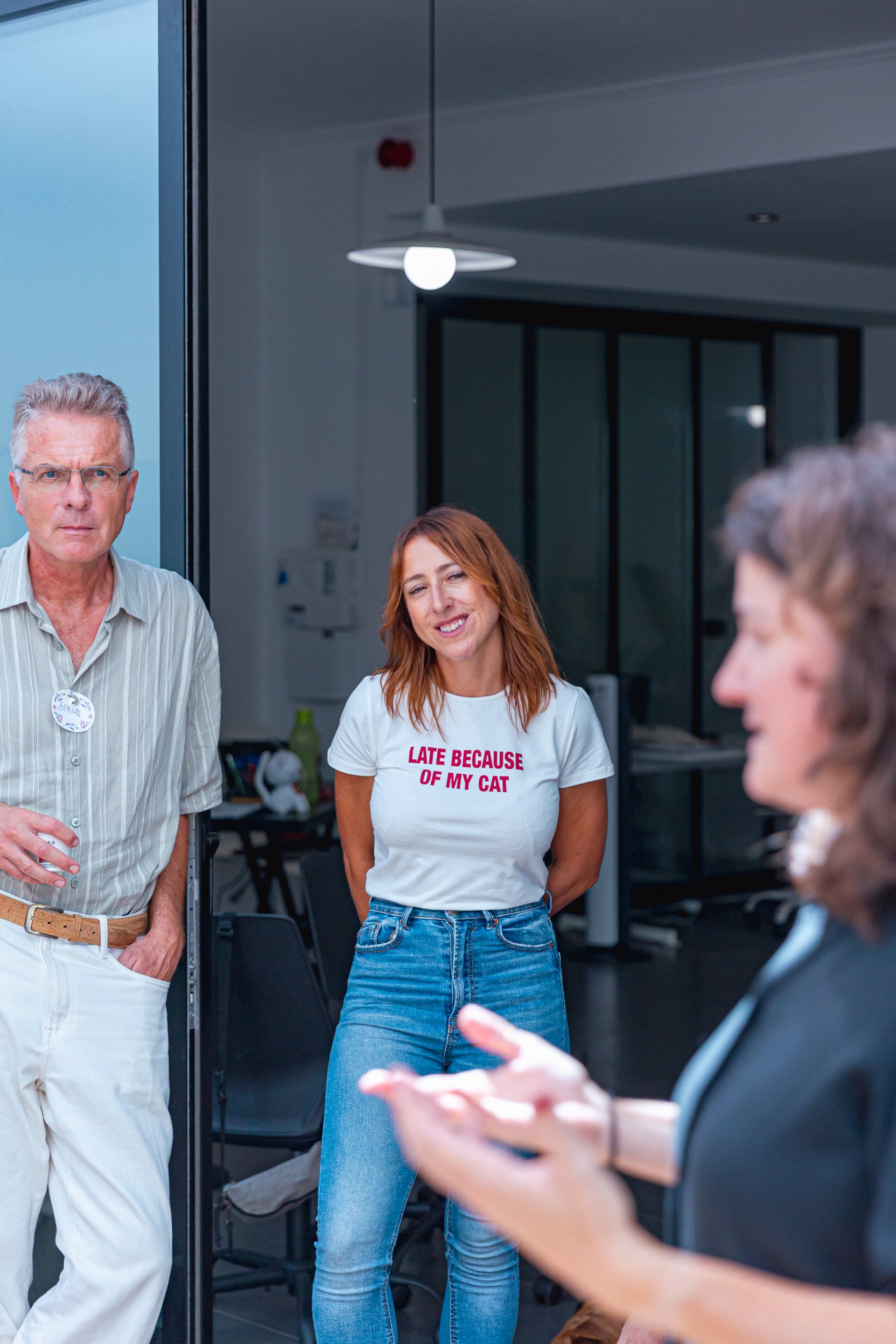
But for that momentum to continue, Animais de Rua needs to be able to return. And that requires support.
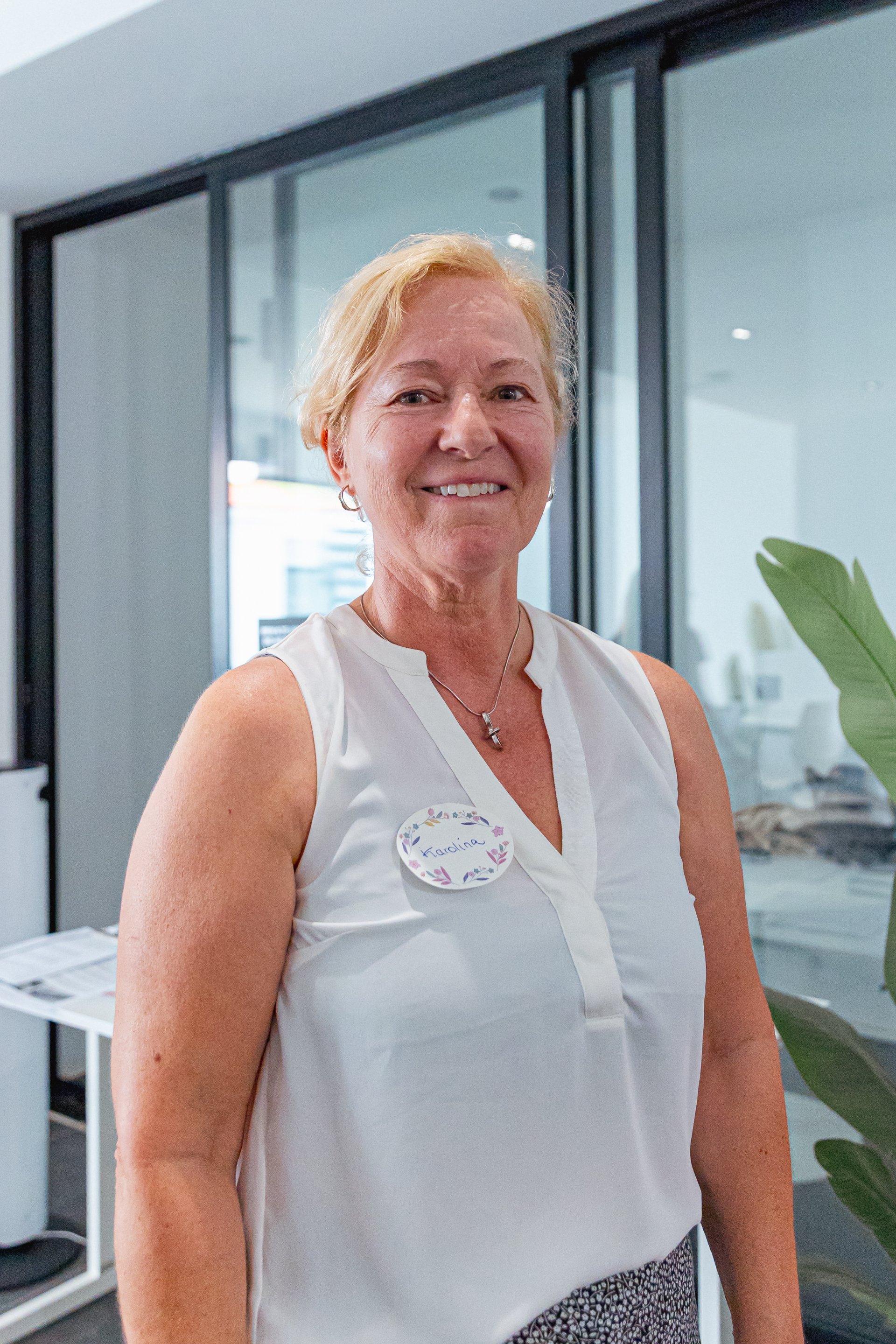
Campaigns like these need veterinary care, traps, transport, flights, accommodation, equipment and countless logistical details that most people never see. Animais de Rua itself identifies a lack of funding and volunteers among the major challenges involved in implementing CED programmes.
This is where businesses, sponsors, municipalities and individuals can make an enormous difference. Supporting a CED campaign is not simply funding a few days of activity. It helps prevent future litters, improves animal welfare, supports the people already caring for colonies and allows experienced teams to train more people here in Madeira.
There are still many colonies that need help. There are still caregivers carrying enormous responsibility. And there are still animals being born into lives that could have been prevented through effective population management.
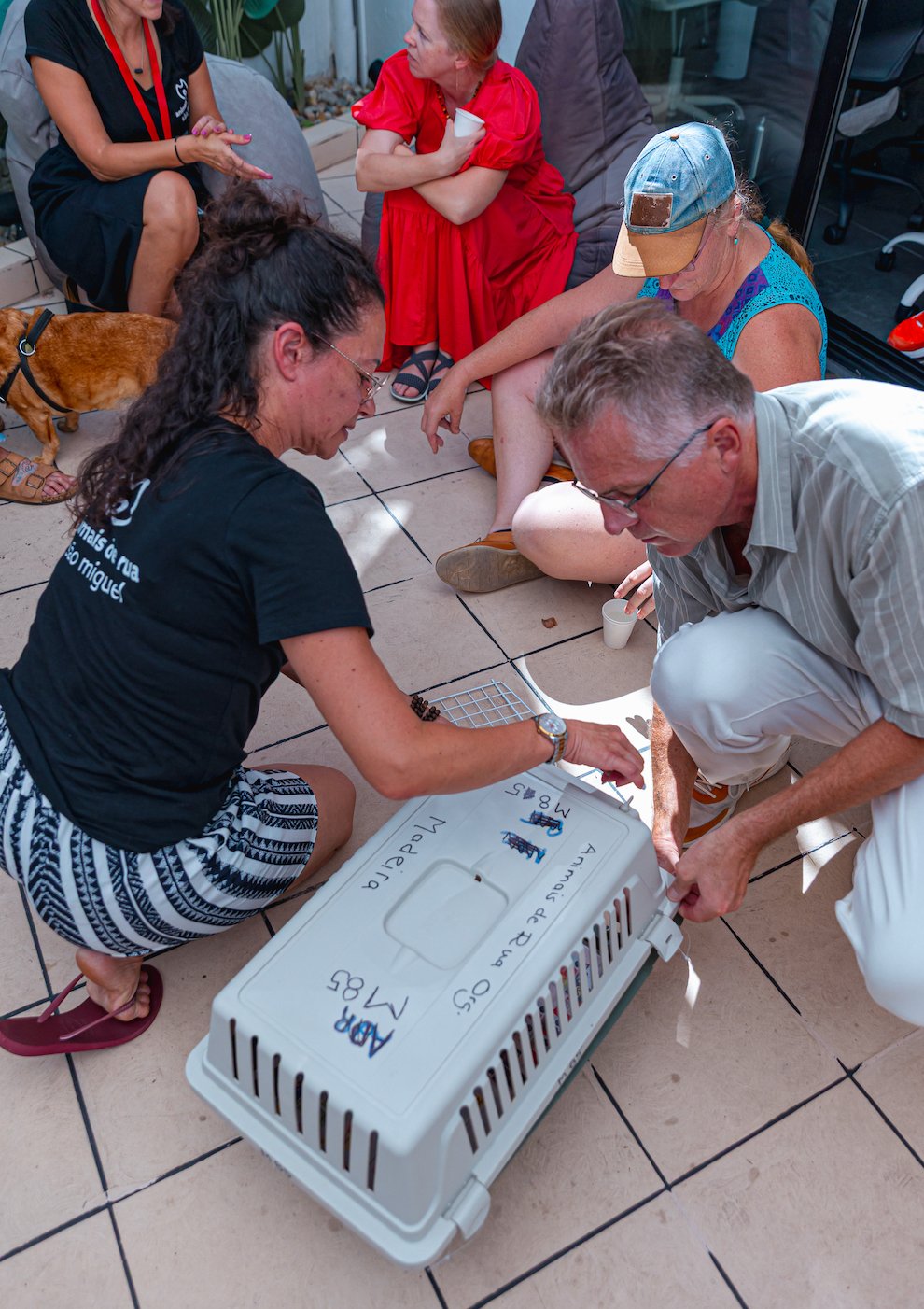
But now there is also something else: a growing network of people willing to do something about it.
Back in May, one of the messages from Madeira’s animal-welfare discussion was that cooperation had to become part of the solution. By September, we were seeing that solution in action: expertise from the Açores, local knowledge from Madeira, veterinary professionals, caregivers, organisers and volunteers from different countries working side by side. 77 cats were captured during this campaign. 76 were sterilised. Those are the numbers we can count.
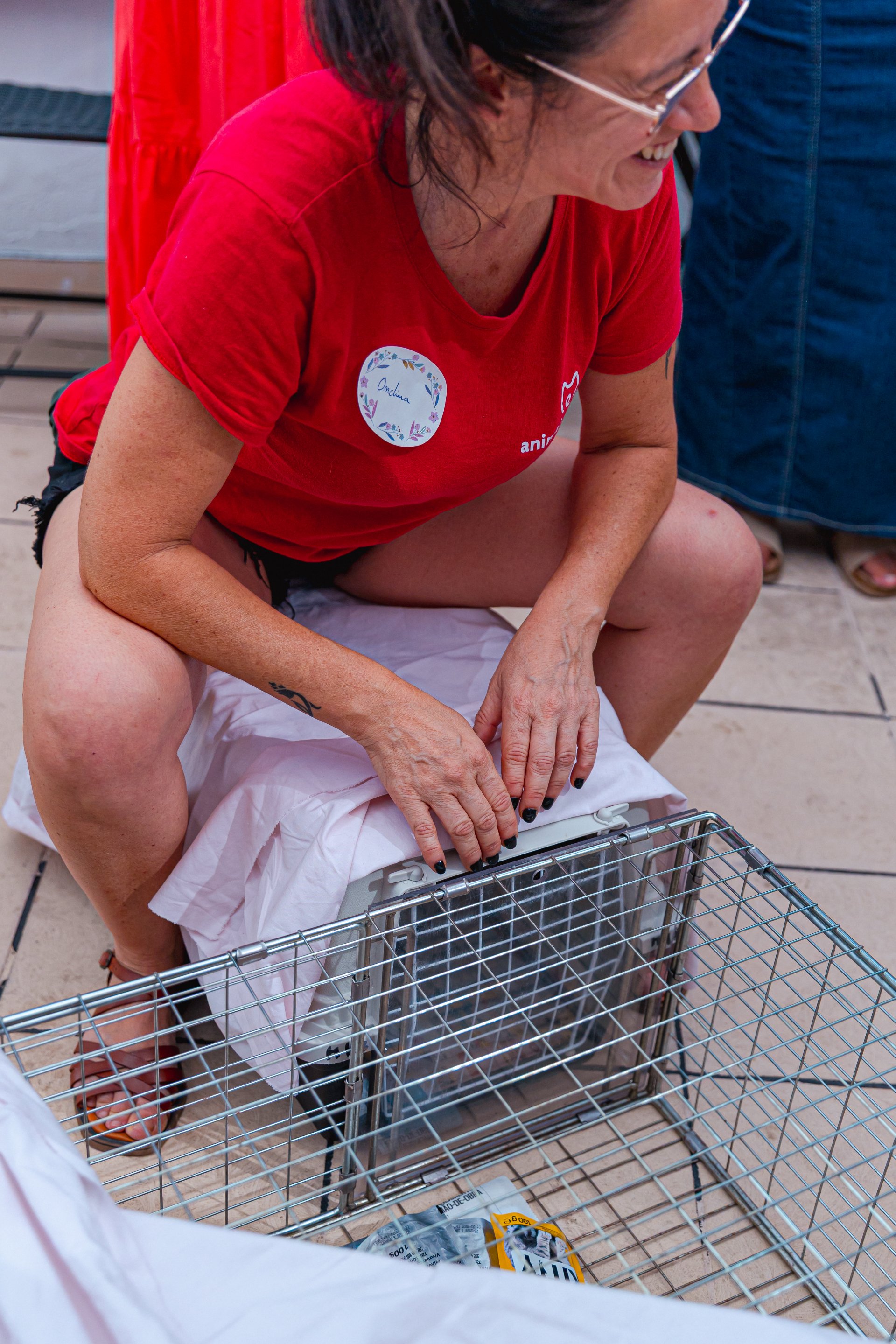
What is harder to measure is what happens when people who might never otherwise have met discover that they care about the same thing and decide to work together.
We hope Animais de Rua will return to Madeira. We hope more businesses and organisations will help make that possible. We hope more people will train, volunteer and support the caregivers already doing this work every day.
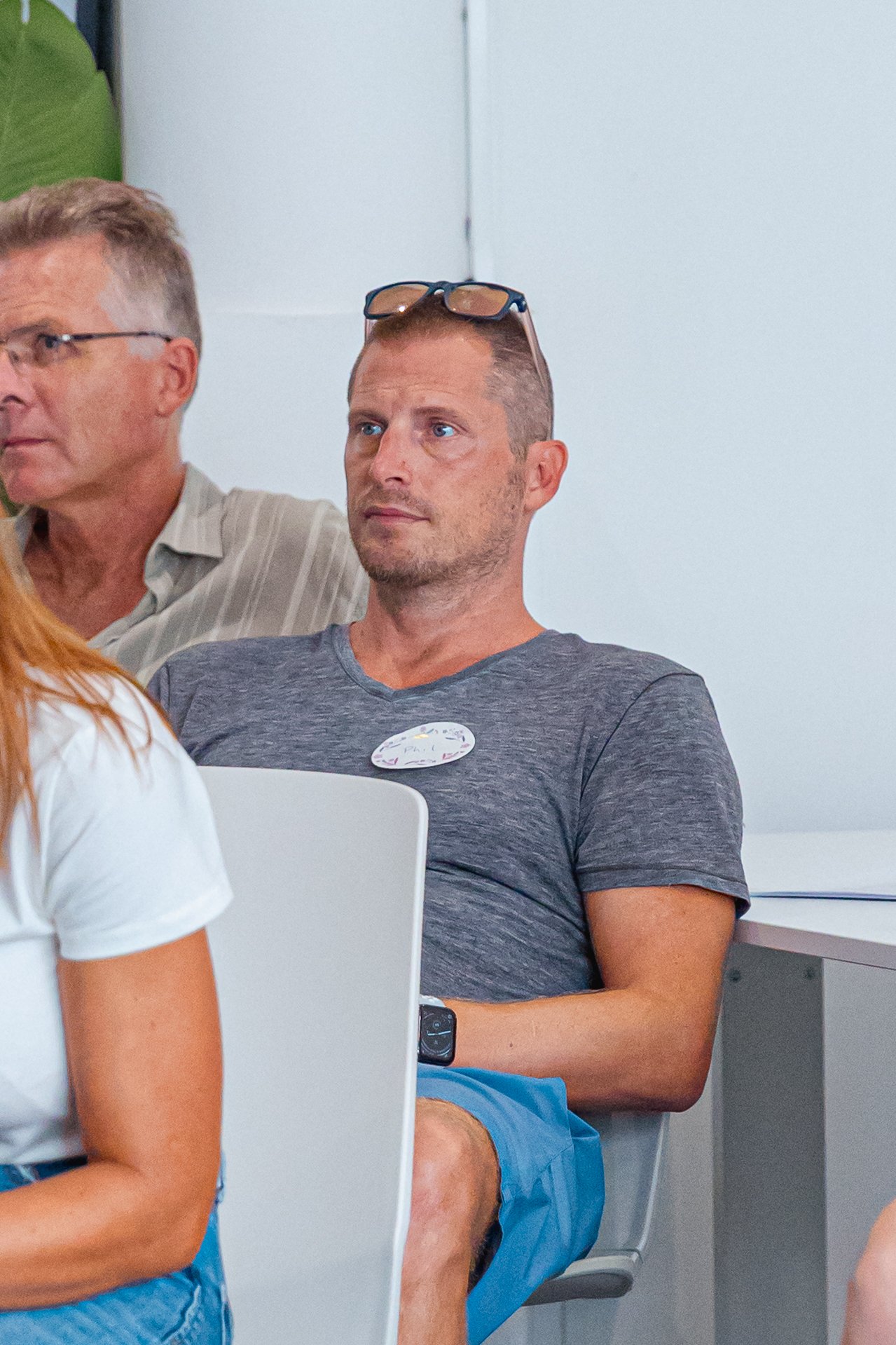
Because solving Madeira’s street-cat problem will never be the responsibility of one association, one municipality or one group of volunteers.
It will happen when an island decides to work together and when people who have chosen Madeira as their home decide that caring for it also means caring for the animals who live here.